Electric wire rope winches require essential maintenance practices to ensure longevity and optimal performance. Regular maintenance practices prevent breakdowns and increase the lifespan of wire rope winches. Scheduled maintenance helps detect early signs of wear and tear that could cause serious damage. Proper lubrication techniques and choosing the right lubricant can preserve the wire rope and minimize deterioration. Car Forum World provides expert advice on maintaining electric wire rope winches. These maintenance practices help you get the most out of your winch by preventing downtime and reducing repair costs.
Table of Contents
- Regular Inspection is Necessary for Longevity
- Schedule Routine Maintenance for Optimal Performance
- Lubrication Techniques for Wire Rope Preservation
- How to Choose the Right Lubricant for Wire Ropes?
- Always Monitor Electric Winch Weight Limits
- What Determines the Load Capacity of Wire Rope Winches?
- Proper Motor Care Boosts Wire Winch Efficiency
- How Do You Identify Motor Issues in Electric Winches?
- How to Prevent Corrosion in Electric Wire Winches
- How Do Non-Metallic Components Aid in Corrosion Prevention?
Key Takeaways
- Electric wire rope winches require regular inspections to maintain long-term functionality and prevent unexpected failures.
- Inspect electric wire rope winches every three months to identify component wear and tear like wire rope condition, gears, and motors.
- Routine maintenance schedules enhance the longevity of electric winches by checking all moving parts and applying proper lubrication.
- Select lubricants based on their properties, such as viscosity and climate adaptability, for optimal wire rope preservation.
- Lubricate winch cables every month using recommended lubricants to prevent damage and ensure smooth operation.
- Maintaining an inspection schedule with a detailed maintenance log allows for systematic tracking of all regular maintenance checks.
- Car Forum World provides expertise on electric wire rope winches and can help answer questions about maintenance practices.
Regular Inspection is Necessary for Longevity
Electric wire rope winches should be inspected every three months to ensure long-term functionality and prevent unexpected failures. Inspections should increase in frequency if any sign of deterioration is observed, such as unusual noises or wire rope fraying. Components checked during regular maintenance checks include wire rope condition, gears, motors, and safety brake systems. Tracking an inspection schedule is best managed with a maintenance log, documenting each inspection’s date, findings, and actions taken.
Schedule Routine Maintenance for Optimal Performance
Routine maintenance for electric wire rope winches is generally scheduled every six months to ensure smooth operation and reduce the risk of mechanical failure. Typically, the winch maintenance process involves routine performance checks, cleaning of all components, inspection for wear and tear, and application of proper lubrication, as noted in Bosch Rexroth winches’ detailed maintenance guidelines. Longevity enhancement techniques, including regular upkeep, effectively extend winch lifespan by addressing minor issues before they become major problems. Essential winch maintenance tools include torque wrenches, calipers, and specialized lubrication applicators to perform industrial winch maintenance strategies effectively.
Lubrication Techniques for Wire Rope Preservation
In electric winch rope maintenance, using the right wire rope lubricants like penetrating oils and viscous greases can prevent wire damage, ensuring wire rope preservation. Proper wire rope lubrication techniques prevent internal and surface corrosion by forming protective layers around the strands. Common lubrication errors include over-lubrication, which attracts debris, and under-lubrication, causing friction and wear. Winch ropes should be lubricated for optimal performance every four to six weeks, depending on environmental conditions and usage frequency, as outlined in preventive maintenance lubrication practices.
How to Choose the Right Lubricant for Wire Ropes?
An ideal wire rope lubricant should possess properties like water resistance, adhesive quality to cling to strands and provide protection, and the ability to penetrate the core. Top recommended lubricants include Super Lube wire rope grease, Castrol Tribol, and Shell Gadus, which meet these requirements. Different climates, like humid or dry conditions, affect lubricant choices due to variations in temperature and moisture, requiring climatic lubricant adjustments. Lubricant viscosity implications involve maintaining fluidity for proper penetration and forming a protective barrier to enhance wire rope longevity, as discussed in lubricant selection guides focusing on environmental adaptability.
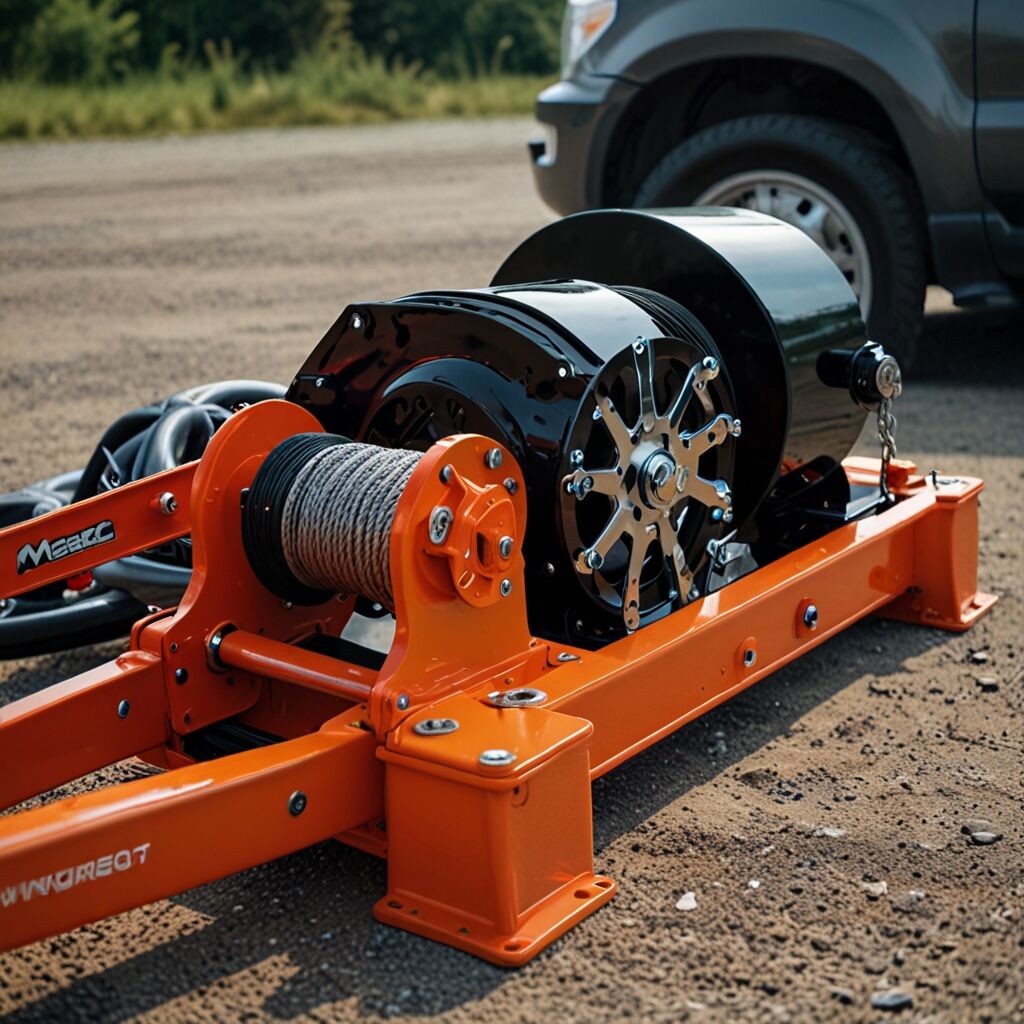
- Industrial tools increase safety.
- Regular inspections prevent breakdowns.
- Machines reduce manual labor.
- Proper lubrication extends lifespan.
- Usage boosts productivity.
- Routine checks maintain efficiency.
- Innovations enhance user comfort.
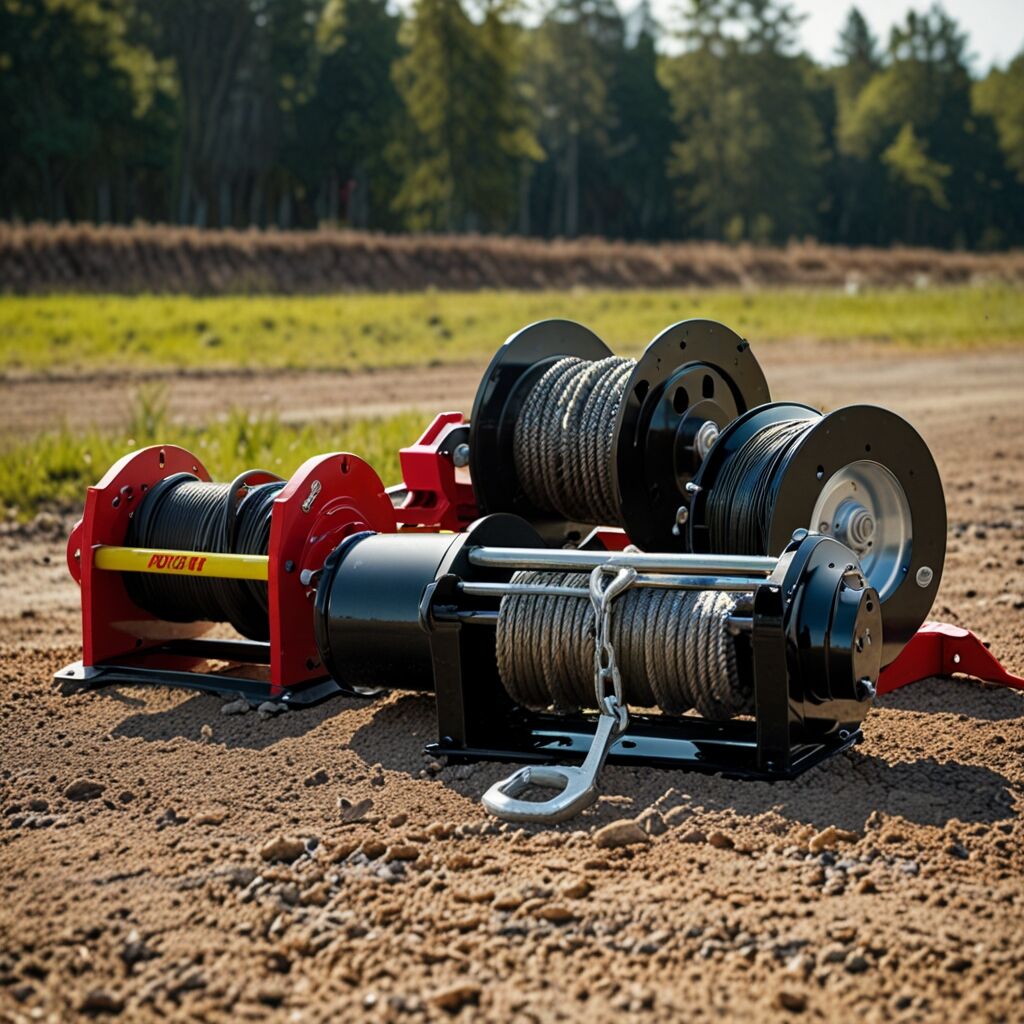
Comparison of Maintenance Practices for Electric Wire Rope Winches
| Maintenance Practice | Frequency | Time (hours) | Cost (USD) | Labor Intensity | Safety Impact |
|---|---|---|---|---|---|
| Visual Inspection | Weekly | 0.5 | 10 | Low | High |
| Lubrication | Monthly | 1 | 15 | Medium | Moderate |
| Wire Check | Quarterly | 2 | 20 | High | High |
| Electrical Testing | Semi-annual | 3 | 30 | Medium | High |
| Component Replacement | Annual | 4 | 100 | High | High |
| Brake Inspection | Annual | 1.5 | 25 | Medium | Moderate |
Always Monitor Electric Winch Weight Limits
Electric wire rope winches should be inspected on a regular basis, ideally every three to six months, to ensure weight limit adherence and identify any signs of overloading risks. Observing changes in winch performance, unusual noises, or visible wear are indicators that an electric winch may need more frequent inspections to prevent consequences of overload. During regular winch inspections, check components like the hook, drum, wire rope, and motor to ensure the electric winch capacities align with the winch design parameters for safe weight limits. Creating a tracking system using software like Microsoft Excel or maintenance applications can help schedule and log inspections, maintaining industrial weight handling efficiency. Companies like WARN offer specialized tracking systems for such needs.
What Determines the Load Capacity of Wire Rope Winches?
Wire rope winches’ maximum load capacity factors depend on specifications like rope diameter impact, which dictates the tensile strength, and material influence on capacity, varying from steel to synthetic ropes. Routine maintenance for electric wire rope winches should be done semi-annually, involving steps like checking Hercules rope dimensions and lubricating cable pulleys to accommodate load capacity variations. By ensuring that winch design relationships align with environmental condition effects, regular maintenance can significantly enhance the winch’s lifespan, protecting engineering design considerations. Crucial tools for regular winch maintenance include torque wrenches and tension meters from brands like KOBELCO, ensuring optimal performance.
Proper Motor Care Boosts Wire Winch Efficiency
Proper motor care, including routine checks and cleaning, is essential for boosting the efficiency of electric wire winch systems, ensuring winch motor compatibility with both AC and DC power sources. Overheating prevention techniques such as installing cooling systems and avoiding heavy workloads during summer months are crucial since winch motors, like those from Ramsey, can operate more effectively at cooler temperatures. Watch for motor malfunction indicators like smoke, excessive noise, or irregular speed to maintain electric winch motor performance. Regular motor maintenance, such as cleaning and lubrication, contributes to overall efficiency improvement using practical motor care practices.
How Do You Identify Motor Issues in Electric Winches?
Common motor issue symptoms include noises, loss of power, or fluctuating speeds in electric winches, often requiring immediate attention. When a winch motor fails, conducting a thorough winch motor failure response by examining connections and ensuring proper voltage can resolve issues quickly. Winch motors should be tested for efficiency every quarter to detect any irregular motor performance early, maintaining optimal function. Use diagnostic tools for motors, like Fluke inspection devices and multimeters, to accurately pinpoint motor problems and ensure efficient problem identification techniques. Many professionals recommend Makita as a reliable tool brand for such inspections.

- Machines can lift up to 10,000 pounds.
- Steel cables need replacing every 5 years.
- Motors operate at 3 to 5 horsepower.
- Inspection reduces failure by 70%.
- Proper use can last for over 15 years.
- Devices have up to 80% efficiency.
- Workers use products for 8-hour shifts.
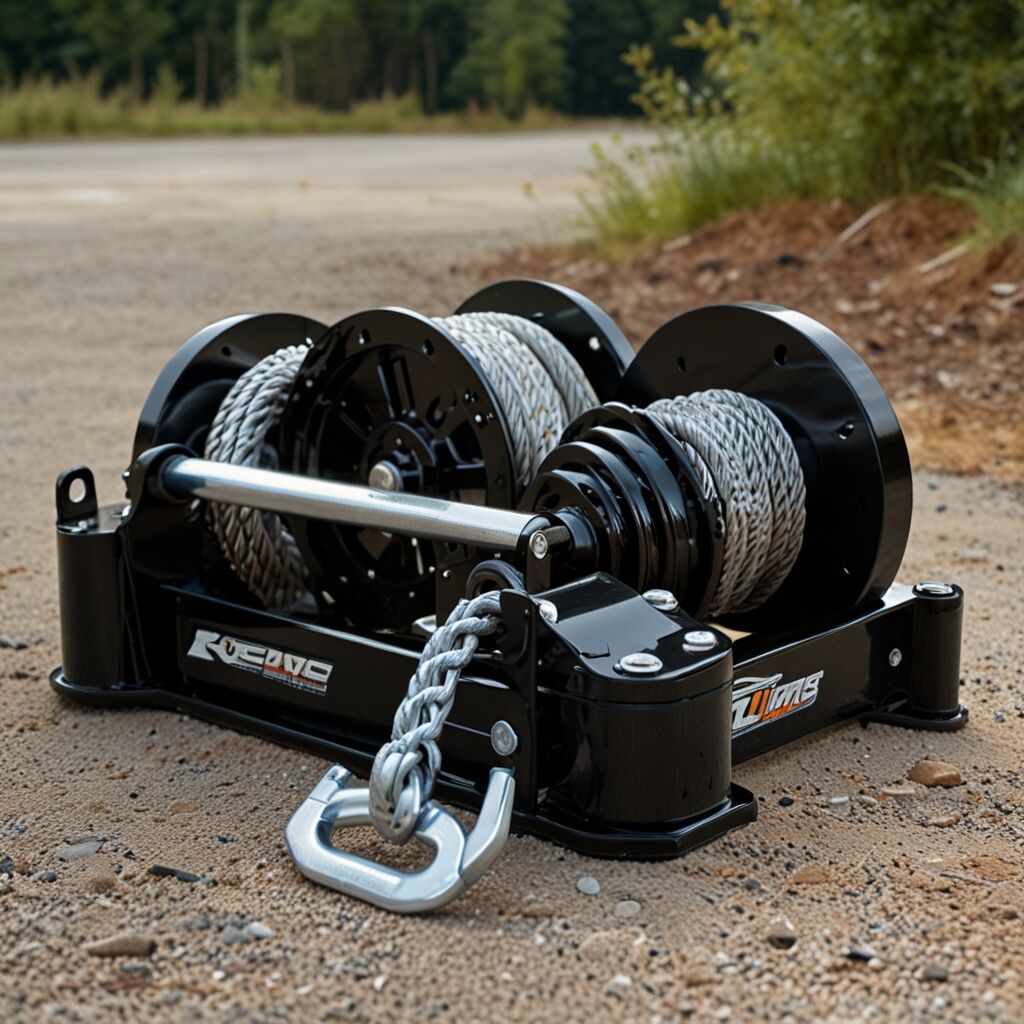
How to Prevent Corrosion in Electric Wire Winches
I have discovered that understanding the main causes of corrosion in electric wire rope winches is vital for effective prevention. The main causes often include moisture exposure, chemical reactions, and salt from marine environments. Effective corrosion prevention strategies include using protective coatings, such as zinc, that can extend the life of winch components by acting as a barrier against corrosive elements. For instance, reports show that zinc coatings can increase the lifespan of metal surfaces by 20%. Employing rust prevention practices like regular cleaning and application of anti-corrosion materials, such as greases designed for harsh conditions, significantly reduces risk. The choice of materials also plays a crucial role, with corrosion-resistant materials like stainless steel providing superior protection compared to non-treated metals.
How Do Non-Metallic Components Aid in Corrosion Prevention?
The advantages of using non-metallic materials in winches center on their inherent resistance to many forms of corrosion. Non-metallics withstand harsh environments because they do not react with water or salt, unlike metals. Statistics reveal that composite materials can last up to 50% longer in marine settings compared to uncoated metals. The impact of non-metallic parts on winch durability is substantial, offering a lightweight yet robust alternative that also requires less maintenance. When comparing non-metallics to coated metals, non-metallic materials often showcase better resilience against degradation in corrosive environments, displaying the benefits of synthetic component durability.