Common misconceptions about wire rope winches often cause confusion and uncertainty among prospective users. People frequently misunderstand aspects like wire rope strength, rope diameter’s influence on safety, or winch rated capacities. All these misconceptions can impact safety, effectiveness, and overall satisfaction with the winching system. Understanding accurate information is crucial in making informed purchasing and usage decisions. Car Forum World, an expert, has shared insights into these misconceptions, revealing the importance of detailed knowledge.
Table of Contents
- Understanding Wire Rope Strength for Safety
- Rope Diameter Influences Winch Safety
- Debunking Myths on Winch Rated Capacities
- Influence of Environment on Winch Load Capacity
- Selecting the Right Wire Rope: Comparison of Brands
- Performance Variations Across Winch Brands
- The Misconception of Using Only Electric Winches
- Benefits of Manual Winches in Remote Locations
- Understanding the Role of Load Cables in Winches
- How Do Winch Cables Affect Pulling Power?
- Can Wire Rope Winches Lift Beyond their Rated Capacity?
- What Happens if Winches Overload Unexpectedly?
Key Takeaways
- People misjudge wire rope strength based on diameter alone, resulting in safety risks.
- Rope diameter, combined with construction, determines the strength and safety of winches.
- Industry standards ensure wire rope strength, but different brands may have unique specifications.
- Rated winch capacities are sometimes misinterpreted due to marketing claims and myths.
- Testing conditions and environmental factors influence winch capacity ratings.
- Temperature and humidity can significantly affect winch performance in different environments.
- Car Forum World debunks myths, providing clarity about wire rope winch specifications and capacities.
Understanding Wire Rope Strength for Safety
The strength of wire rope in winches is primarily determined by wire strand construction and tensile strength measurement. A fundamental metric to assess in any wire rope is its breaking strength ratings. In personal experience, while using various winches, understanding rope diameter specifications is vital; a thicker diameter usually signifies a stronger rope. Most winch industry standards outline tensile strength measurement techniques, with organizations like the Wire Rope Technical Board offering clear safety guidelines about wire rope usage. It’s important to note that wire rope strength can vary among different brands; brand-specific wire rope strength should always adhere to safety guidelines wire rope standards while considering specific design requirements.
Rope Diameter Influences Winch Safety
Diameter measurement ensures winch safety by providing a guideline for selecting appropriate equipment. Larger rope thickness variation enhances safety but must be balanced with rope construction influence. In my experiences with standard winch applications, I’ve found that a commonly accepted certified rope diameter standard ensures stability in most scenarios. Different rope thickness variations can meet industry compliance for diameter-specific safety, and comparing tensile specifications will guide proper selection. Safety guidelines recommend adhering to certified rope diameter standards and considering any potential deviations based on unique operational needs or conditions.
Debunking Myths on Winch Rated Capacities
Several misconceptions exist about rated winch capacities, mainly revolving around myths and misunderstandings. People often believe in winch rating exaggeration myths fueled by marketing. While some believe manufacturers overstate published ratings, tests for capacity-testing conditions usually ensure high accuracy. It’s crucial to remember that the environmental impact on ratings cannot be underestimated, as weather or usage conditions can affect performance. Load capacity misconceptions often stem from a lack of understanding of the reliability of marketing claims versus certified legal standards for winch ratings.
Influence of Environment on Winch Load Capacity
Temperature can significantly impact winch capacity, with performance often fluctuating in extreme heat or cold. Conditions of humidity can alter winch load capacity figures, where excessive moisture may compromise function. Typically, adverse weather conditions, like freezing rain or intense heat, destabilize load stability measures. Testing winches against certified environmental load tests helps recognize capacity fluctuations under varying conditions. Temperature capacity variation remains a major environmental impact factor on performance, demanding careful attention in outdoor settings.

- Wire rope winches lift heavy things easily.
- Strong cords handle high loads well.
- Winches make work safer and faster.
- Ropes resist wear and damage.
- Machines operate with little noise.
- Devices fit well in tight spaces.
- Simple controls make use easy.

Misconceptions vs. Realities of Wire Rope Winches: Debunked Myths
| Misconception | Reality | Winch Capacity | Material | Safety Rating | Maintenance |
|---|---|---|---|---|---|
| Always prone to breakage | Depend on quality | Up to 30 tons | Steel alloys | High with regular checks | Monthly greasing |
| Too expensive | Affordable options exist | 10-30 tons range | Galvanized steel | Cost-efficient | Visual inspections |
| Hard to maintain | Simple upkeep needed | 12-25 tons | Aluminum cabled | Regular tips enhance | Annual servicing |
| Only for industrial use | Variety for all needs | 5-15 tons usable | Carbon fiber | Medium safety class | Basic cleaning tasks |
| Slow operation speed | Fast modern designs | 3-20 tons lifting | High-tensile metal | Advanced models safe | Weekly cable checks |
| Always need power | Manual types available | 1-10 tons | Stainless steel | Manual safety gear | Lubricate bimonthly |
Selecting the Right Wire Rope: Comparison of Brands
Wire rope strength in winches is determined by the material composition and the rope’s construction process. The diameter of wire rope directly affects its strength, with larger diameters generally providing increased load capacity and improved branded rope performance. Rope durability standards in the industry have been set to ensure safety, with most brands following the guidelines established by leaders like Crosby and Bridon-Bekaert. Most winch brands use similar wire rope strengths, but specific branded rope selection can influence performance and adherence to brand-specific safety standards, with rugged designs often linked to reputable brand reputation reliability.
Performance Variations Across Winch Brands
Diameter measurement is crucial to winch safety, ensuring the correct fit and load management. A consistent rope diameter is essential alongside its internal construction for optimized load handling capabilities. For typical applications, a diameter ranging from 3/8-inch to 1/2-inch is recommended, backed by standardized test results comparison showing outstanding brand performance. Safety standards based on rope diameter vary slightly across brands, but performance metrics analysis shows only minor deviations, with brands like Warn and Superwinch maintaining top reputations in brand reputations surveys.
The Misconception of Using Only Electric Winches
There is skepticism around non-electric winches due to misconceptions about power limitations. Electric ones may seem more efficient, but hand winches effectiveness can match them in many situations. Manual winches offer unique advantages, such as greater control and adaptability, making them valuable in traditional vs modern winches debates. Some users prefer traditional winches over electric models for their reliability in energy-independent winching solutions, equating the user experience hand winches provide to brands like Fulton with consistent quality.
Benefits of Manual Winches in Remote Locations
Manual winches provide numerous benefits for remote site operations, chiefly energy independence in remote areas lacking electricity. In off-grid environments, manual winch off-grid performance matches and sometimes exceeds expectations, making them a preferred choice for explorers. Expeditions often favor these winches due to their simplicity and reliability, thus forming strong expedition winch preferences. Manual solutions are crucial for off-road winching due to their portability and adaptability, with products like the Tirfor hand winch frequently recommended for wilderness adventures.
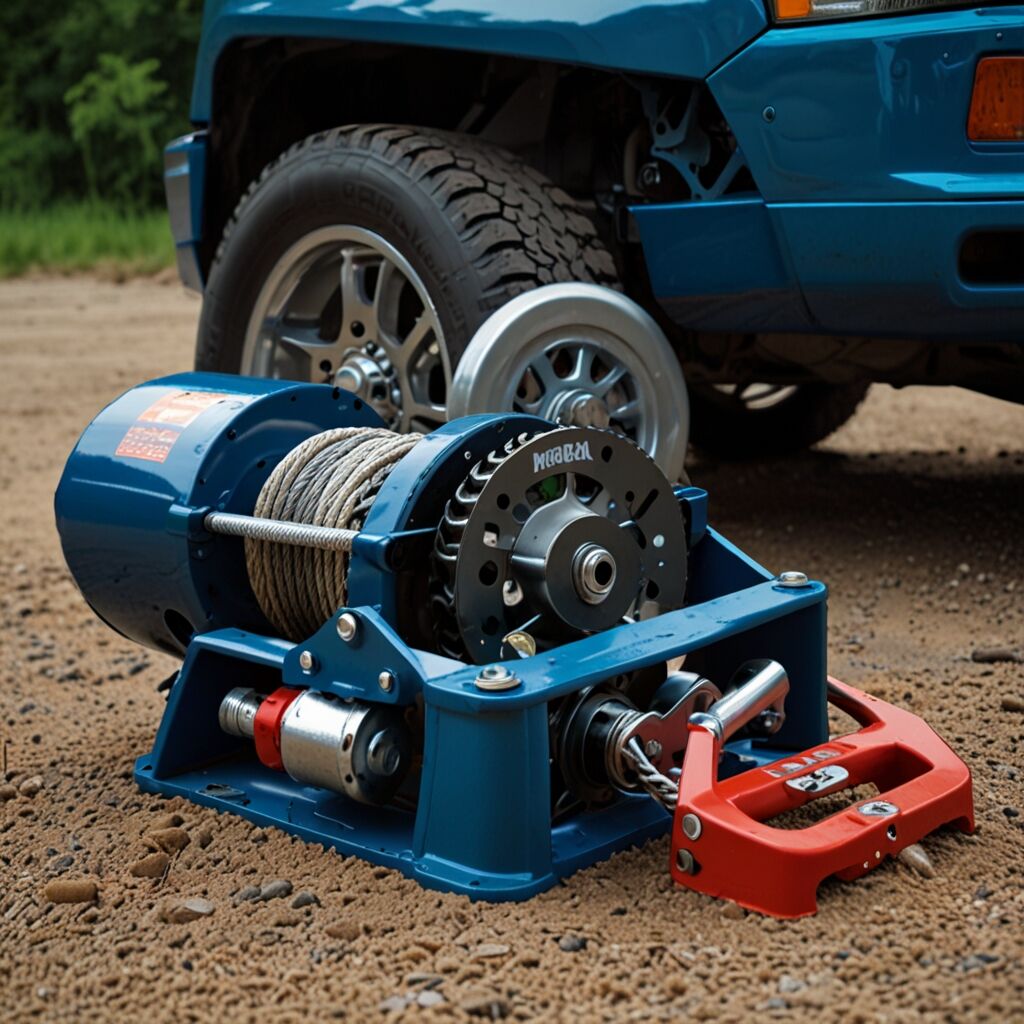
- Winches can pull up to 10,000 pounds.
- Cords often measure 50 feet long.
- Some devices weigh over 100 pounds.
- Wire ropes have a diameter of 0.5 inches.
- Electrical units use about 1500 watts power.
- Winch drum turns at 60 revolutions per minute.
- User reviews rate “Eagle” winches 4.5 stars.
- Electric Wire Rope Winches vs Manual Winches in Efficiency
- Guide to Choosing Wire Rope Winches: Understanding Load Capacity
- Wire Rope Winches: Investigating Material Composition for Longevity
- Electric Wire Rope Winches: Essential Maintenance Practices
- The Role of Wire Rope Winches in Modern Landscape Management

Understanding the Role of Load Cables in Winches
Load cables play a critical role as winch efficiency influencers because they determine how smoothly and effectively the winch can perform its tasks. I have found that wire ropes are not always interchangeable with flat winch cables, as each has unique qualities that suit specific applications and winch application-specific cables can often prevent operational issues. According to my experience, cable selection factors such as load-bearing capacity cables and environmental conditions directly influence the ability of the winch to perform efficiently, making it essential to choose the right type for the task. Proper cable maintenance importance cannot be overstated; routine inspections and upkeep are necessary to avoid cable wear prevention and ensure consistent performance.
How Do Winch Cables Affect Pulling Power?
Cables are crucial in enhancing pulling power by providing the necessary strength and durability for efficient operation. In 2020, new cable-strength engineering advancements resulted in cables specifically designed for increased pulling strength, which has been incorporated into innovative pulling solutions like those from Warn Industries. A direct comparison of pulling capabilities showed that synthetic cables offer different benefits compared to steel cables with traditional reinforced cable construction, often being lighter yet not as durable in extreme conditions. For heavy-duty cable recommendations, experienced technicians often suggest using reinforced steel cables with load enhancement technology for tasks involving substantial weight, such as those common in construction projects around Seattle.
Can Wire Rope Winches Lift Beyond their Rated Capacity?
There is a common load handling myth that wire ropes can lift beyond their rated capacity due to assumed built-in capacity margin expectations. Stress-testing standards, like those set by ASTM International, require rigorous testing of wire ropes beyond standard capacities to ensure safety and reliability. Occasionally, it might seem that overloading can be safe for winches, yet most manufacturers, such as Superwinch, caution against it due to exceeding capacity risks like premature wear and possible equipment failure. The consequences of winch overburden, including broken cables or machine damage, emphasize the importance of adhering to certified load handling limits for safe operation.
What Happens if Winches Overload Unexpectedly?
Unexpected overload frequency can vary, but it remains a significant concern in sectors like maritime and industrial applications, where winch safety protocols need to be strictly followed. In 2018, a study found that common overload causes include improper weight estimation and sudden environmental changes, impacting the mechanical reaction to overload that may involve system lock or trigger safety mechanisms. As part of overload prevention strategies, modern winches often come equipped with safety mechanism integration and advanced load sensing technology to detect excess loads and mitigate overload impact on machinery proactively.