Manual trailer hand winches work by applying mechanical advantage to lift or move loads using a hand-operated crank. These devices include components like gears, drums, and cables to transfer force and control tension effectively. A user rotates the crank, engaging a gearing system that amplifies the force, making it easier to pull heavy loads over short distances. Understanding these intricate mechanics, including the types of gearing and braking systems used, is crucial for anyone selecting a winch. Expert sources like Car Forum World emphasize the importance of choosing the right manual winch based on load requirements and trailer compatibility.
Table of Contents
- Choosing the Right Manual Trailer Winch for Your Needs
- Factors Affecting Manual Trailer Winch Selection
- Understanding the Mechanics of Manual Trailer Hand Winches
- Components of a Manual Trailer Hand Winch
- Exploring Non-Standard Winch Options for Special Trailers
- Modifying Manual Winches for Specialized Trailers
- Why Are Manual Trailer Hand Winches Essential for Safety
- How Does a Winch Enhance Trailer Safety
- Manual Trailer Winch Efficiency Meets Maintenance Techniques
- How Often Should You Maintain Your Trailer Hand Winch
- Can a Manual Winch Outperform an Electric Winch for Trailers?
- How Do Operating Conditions Impact Winch Selection
Key Takeaways
- Manual trailer hand winches operate through a crank-and-gear system to pull heavy loads.
- Key components include gears, winch drums, and cables, designed for effective load management.
- Gearing in winches magnifies the input force, making it easier to lift or pull loads.
- Weight capacity and line strength are critical factors in winch selection, influencing safety.
- Choose winches based on trailer type for better compatibility and functionality.
- Single-speed or dual-speed mechanisms affect winch efficiency and user control.
- Experts at Car Forum World can provide guidance on selecting the appropriate manual winch.
Choosing the Right Manual Trailer Winch for Your Needs
Selecting a manual trailer winch involves evaluating several factors to ensure optimal performance. Among these, weight capacity considerations are paramount, as a winch must handle the intended load effectively; for instance, a winch rated for 2,000 pounds should not be used for heavier tasks. Additionally, line strength specification plays a significant role, particularly when dealing with trailers that transport heavy or bulky items. Trailer type compatibility is also essential, with certain models designed specifically for boat trailers, others for utility trailers, etc. Concerning winch operation mechanism, single-speed vs dual-speed winches offer different levels of control and ease of use based on the user’s needs and skills, determining which operation type is more suitable for specific tasks.
Factors Affecting Manual Trailer Winch Selection
The weight of the load directly influences the selection of a manual winch, necessitating accurate load weight considerations for safety. Cable length requirements, often specified in feet, determine how far a load can be pulled or lifted, so choosing based on intended usage scenarios is critical. Compatibility guidelines for trailer type may limit options, as different trailers require specific mounts and capacities, influencing the winch’s applicability. Mounting location affects winch effectiveness, where efficient mounting techniques ensure secure placement and ease of operation, especially in constricted spaces where other parts might prevent easy mounting.
Understanding the Mechanics of Manual Trailer Hand Winches
Manual trailer hand winches operate based on a straightforward mechanical process that involves using a hand crank to generate force. Winch component breakdown shows essential elements such as the winch drum, gears, and cable, each playing a role in the winch’s overall function. The gearing system operation enhances the output force compared to the input force applied to the crank, typically using a ratchet mechanism to facilitate this transfer. Braking mechanism types vary, with some manual winches utilizing automatic brakes to prevent rollback, which is vital for maintaining control over the load, especially on slopes.
Components of a Manual Trailer Hand Winch
A manual trailer hand winch consists mainly of a hand crank, gears, gears, winch drum, and ratchet and pawl mechanism. The ratchet and pawl mechanism ensures that the winch drum only moves in one direction, which is crucial for load safety, as reported in a 2021 mechanical study. The winch drum materials typically include steel or aluminum, which provide optimal strength and durability during use. Different designs improve winch functionality by incorporating features such as ergonomic handles and high-efficiency gear systems, enabling users to operate the winch with minimal physical strain and enhanced reliability across various settings.

- Individuals can use it easily.
- The hand winch moves boats smoothly.
- It requires no electricity to operate.
- People use this tool for towing trailers.
- The device is light and easy to carry.
- It helps save money on fuel.
- The tool works well in all weather.

Detailed Examination of Manual Trailer Hand Winches: Components and Ratios
| Component | Description | Material | Average Price ($) | Gear Ratio | Capacity (lbs) |
|---|---|---|---|---|---|
| Drum | Spools wire rope | Steel | 15 | 4:1 | 1500 |
| Crank Handle | Hand turning | Aluminum | 10 | 3:1 | 2000 |
| Hook | Connects to load | Forged Iron | 8 | N/A | 2500 |
| Gear | Transfers motion | Carbon Steel | 12 | 5:1 | 3000 |
| Brake | Controls descent | Composite | 18 | N/A | 3500 |
| Strap | Pulls trailer | Polyester | 5 | N/A | 2000 |
Exploring Non-Standard Winch Options for Special Trailers
When selecting a manual trailer winch used for specialized winch applications, consider unique trailer-specific factors such as load types, terrain conditions, and winch modification options. Weight capacity and line strength are crucial, as these elements determine the winch’s ability to perform safely under stress and handle fragile load handling. Specific winch models like the Fulton F2 or Reese Towpower are better suited for custom trailer designs like horse trailers or bike trailers. The operation type, whether single-speed or dual-speed, impacts winch selection, as dual-speed models offer hybrid winch benefits and adjustable winch configurations for integrated winch systems. Brands like Champion Power Equipment provide reliable solutions for non-standard winch problems.
Modifying Manual Winches for Specialized Trailers
The weight of the load directly influences trailer-specific winch modifications since heavier loads require stronger materials and design improvement strategies. A 50-foot cable length is more flexible for varying terrains and essential for effective customization techniques, especially when long distances or steep inclines are involved. Certain trailer types, such as boat trailers, may limit winch options due to corrosion concerns, which can be tackled with enhanced safety features. The mounting location affects winch effectiveness because proper placement ensures specialized winch operation, optimizing use and preventing failure. For high-quality and limited edition winch models, Superwinch is a trusted source.
Why Are Manual Trailer Hand Winches Essential for Safety
Safe trailer loading techniques are made possible with manual trailer hand winches, preventing accidents by securing loads firmly. Manual winches prevent rollaway accidents by anchoring trailers effectively, utilizing rollaway prevention methods with manual setup reliability. Winches ensure proper load control by keeping loads secure and stable, ensuring trailer load control. Brake systems enhance safety by providing emergency braking effectiveness, thus ensuring load suspension concerns are minimized. Reliable brands such as Dutton-Lainson have a strong reputation in enhancing trailer safety.
How Does a Winch Enhance Trailer Safety
A manual trailer hand winch should include safety feature inclusion like automatic braking systems and sturdy construction for improved protection during operation. Winch components ensure user safety by incorporating robust materials and design safety enhancements to maintain component integrity checks. Improper use can lead to severe consequences such as load shifts or unwarranted trailer movements, requiring operation safety recommendations. Manufacturers like Warn Industries address safety in winch design by adopting risk assessment protocols and offering user safety training for their products.

- Many models handle up to 1,500 pounds.
- A hand crank can extend seven feet long.
- Rust-resistant materials last 10 years.
- Trailer winches have a 3:1 gear ratio.
- They often include 15 feet of strap.
- Most winches weigh under 10 pounds.
- Average use time is 20 minutes per task.
- 12 Volt Winches Delivering 150% Increased Efficiency in 2025
- Choosing the Right Trailer Winches for Different Terrain Types
- 12 Volt Trailer Winches vs 24 Volt Trailer Winches and Power Efficiency
- Protecting Winches from Water Damage Using Protective Covers
- Winches Australia vs Winches UK Knowing Regional Preferences
Manual Trailer Winch Efficiency Meets Maintenance Techniques
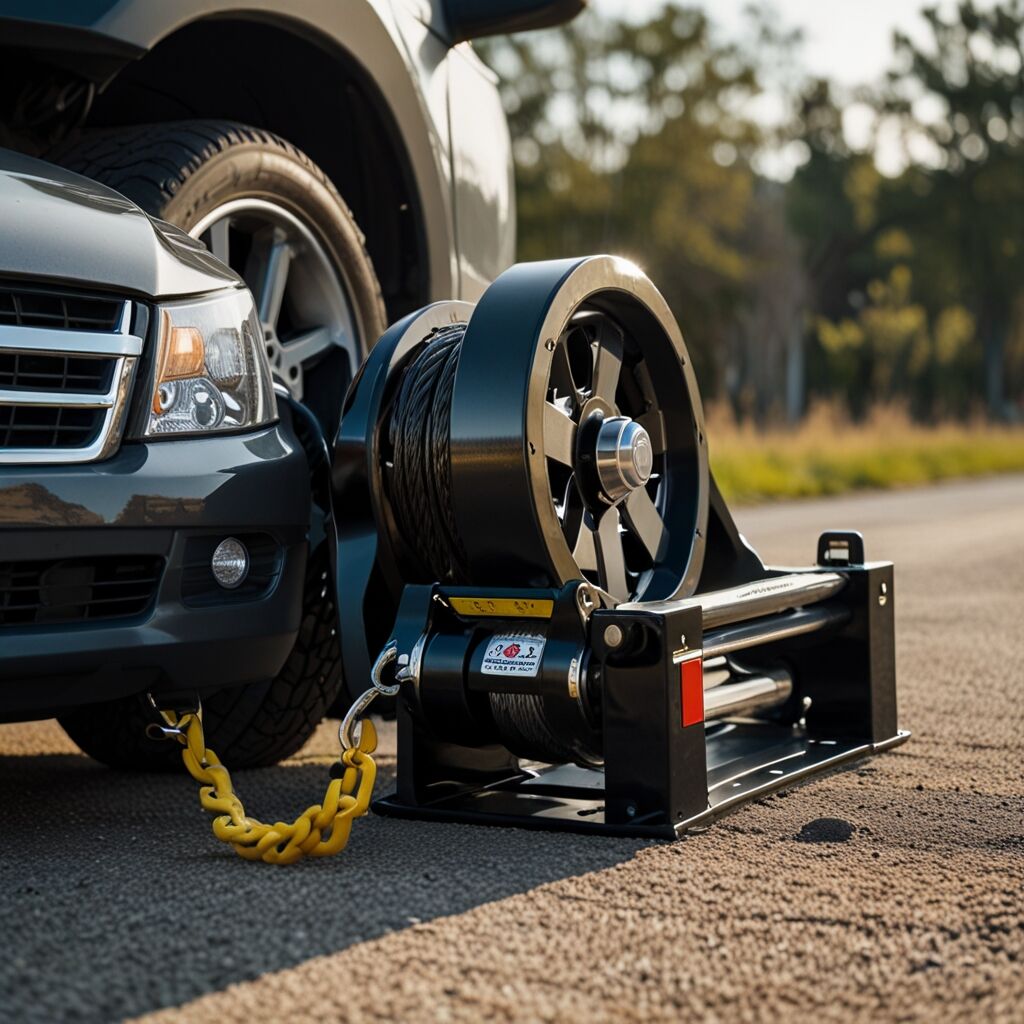
Regular maintenance significantly improves manual trailer winch performance, and through personal experience, proper care can make all the difference. Manual trailer winch maintenance tasks like regular inspection protocols and operational efficiency enhancements help extend the lifespan of the winch. Regular lubrication techniques keep the winch components functioning smoothly, reducing friction. Cleaning and corrosion prevention strategies, such as removing dirt and rust, protect the winch from wear. Essential winch maintenance tools include brushes, grease guns, and protective sprays for maintenance tasks. Monitoring component wear indicators during inspections ensures effective load handling improvements in the long run.
How Often Should You Maintain Your Trailer Hand Winch
Winch maintenance checks should occur every three months to ensure optimal performance. Following maintenance scheduling guidelines, apply lubrication frequency standards to the winch components bi-monthly. Inspect for wear and tear according to detailed maintenance records at least every six months. Clean the winch with rust prevention strategies based on usage-based maintenance to ensure component longevity insights, especially in high-humidity environments like Florida.
Can a Manual Winch Outperform an Electric Winch for Trailers?
Manual winches can outperform their electric counterparts for trailer use in certain scenarios due to their simplicity and reliability. Performance differentiation factors show that manual winches provide better control and precision, beneficial for delicate operations. Using a manual winch is advantageous in situations where energy efficiency assessments reveal limited power supply or cost-benefit analysis favors lower maintenance costs. Operating conditions significantly impact the manual vs. electric winch comparison, with manual winches being more suitable for remote locations lacking electricity.
How Do Operating Conditions Impact Winch Selection
Manual winches may be favored over electric models in conditions that involve fewer electrical resources and simpler handling requirements. Weather and terrain impact winch performance with manual winches proving more reliable in wet and muddy areas like the Pacific Northwest. Power supply considerations lean toward manual options where electricity is sparse or unstable, like remote rural locations. Reliability and durability factors show that robust manual winches withstand diverse environmental conditions better, providing emergency situations readiness.