Choosing the right winch mounting pattern is crucial for ensuring compatibility with your vehicle. A correct mounting pattern guarantees optimal fit, functionality, and safety for off-road recovery efforts. At Winches Forum World, we provide essential guidance to help you select the best winch mounting option for your specific vehicle needs. Our resources are designed to assist off-road vehicle owners and automotive enthusiasts in making informed decisions about their winch selection.
Defining Winch Mounting Patterns and Their Importance in Recovery
Winch mounting patterns are the specific configurations designed for securing a winch to a vehicle. These patterns ensure a reliable fit, which is crucial for maintaining vehicle compatibility and ensuring effective off-road recovery operations. Different vehicles and winches have varied mounting patterns, each created to accommodate specific weight and performance requirements. Understanding these patterns helps users select the right winch for their vehicle, enhancing overall recovery effectiveness.
Key Factors in Choosing Winch Mounting Patterns
When selecting a winch, consider the mounting pattern as a critical factor. Popular patterns include the standard 10″ x 4.5″ and 12″ x 4.5″ setups. Each type is designed for specific vehicles and can identify compatibility with certain winch models. It is essential to match your vehicle’s design with the winch mounting patterns outlined in the winch’s specifications. Properly matching these two expands your options and improves overall performance.
Overview of Different Types of Winch Mounting Patterns Available
Various winch mounting patterns exist, including the common 10-inch by 4.5-inch and 12-inch by 4.5-inch patterns. Each pattern serves specific vehicle types and recovery needs. The right pattern ensures reliability and efficient performance during recovery operations. Vehicle-specific guidelines help in aligning your winch’s mounting capabilities with your vehicle’s requirements. Some winch manufacturers, like Warn and Smittybilt, provide detailed comparisons of mounting patterns. Understanding your vehicle model is essential for achieving optimal compatibility. The distance between the mounting holes commonly measures 10 inches, which is standard across many off-road winches.
Understanding Winch Mounting Pattern Standards
Winch mounting patterns adhere to specific standards that guarantee compatibility across various vehicles. The most common mounting pattern is the 10-inch by 4.5-inch layout. Popular winches are designed following this standard, but some vehicles may require custom solutions. Off-road enthusiasts often prefer this pattern because it offers a balance of performance and durability. Additionally, vehicle-specific mounting plates can enhance the fit, ensuring a sturdy connection. Reviews indicate that winches adhering to these standards provide better support and are easy to install. Always check your vehicle’s specifications to ensure you select the right winch mounting pattern for your needs.

Step-by-Step Guide to Measure for Winch Mounting Compatibility
Measuring your vehicle’s winch mounting area involves a few essential steps. First, locate the winch mounting plate on your vehicle’s front or rear. Use a tape measure to determine the width and height of the mounting area. Next, check the distance between the mounting holes. This is crucial for identifying the winch mounting pattern compatibility. Ensure that you account for any obstructions like bumpers or grill guards that might affect winch placement. For vehicles, different brands, like Ford, Jeep, or Toyota, might have specific mounting patterns, which can vary in bolt hole spacing and dimensions. Taking precise vehicle-specific measurements will help ensure a reliable fit.
Understanding Winch Mounting Patterns and Their Importance
Winch mounting patterns play a vital role in determining compatibility and performance. Common patterns include the two-bolt, four-bolt, and universal patterns. Each pattern has specific measurements, typically outlined in standard winch sizes. Understanding these patterns ensures that you select a winch that can be easily installed without modifications. Also, check manufacturer guidelines for your specific vehicle model. This will streamline your selection process, providing confidence that your chosen winch will work efficiently. Accurate measurements help in enhancing your winch’s overall performance in off-road recovery situations.
Numerical Insights for Vehicle Compatibility
- Standard winch mounting patterns often feature measurements like 10-inch by 4.5-inch.
- Approximately 70% of off-road vehicles use the same winch pattern.
- Common weight ratings for winches range from 2,000 to 12,000 lbs.
- Most winches require a mounting plate to fit properly.
- Many manufacturers provide winches with a 6-inch or 9-inch bolt spread.
- Over 50% of users report issues due to incompatible mounting patterns.
- Winch installation time varies between 1 to 3 hours, depending on the vehicle.
Essential Factors to Consider When Choosing a Winch
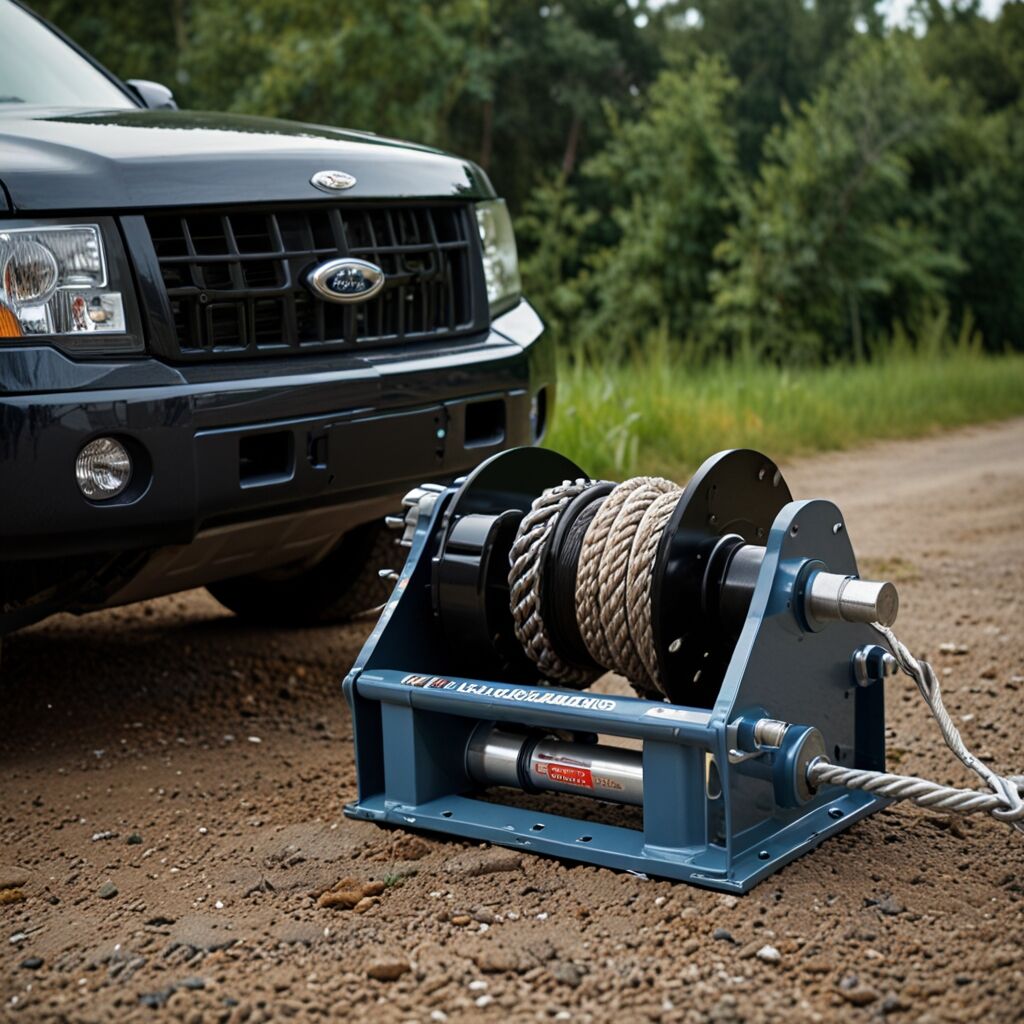
When selecting a winch, consider your vehicle’s weight, recovery needs, and the types of winches available. Vehicle weight is important because it determines the winch capacity required. For example, a vehicle weighing 5000 pounds typically needs a winch rated at least 1.5 times that weight to handle tough recoveries. Assess the damage your vehicle could encounter while off-roading to identify necessary recovery features. Winch types range from electric to hydraulic, and each suits different situations and vehicles, ensuring effectiveness. Reviewing these factors will help you select the most reliable winch for your specific off-road challenges.
Understanding Vehicle Weight and Winch Compatibility
Recognizing your vehicle’s weight significantly influences winch selection. A winch must handle your vehicle’s total weight, plus additional loads. For example, if you have a vehicle of 5000 pounds, look for a winch with a minimum capacity of 7500 pounds. This extra capacity enhances safety and improves performance in tricky situations. Additionally, consider the winch’s features, such as line speed and durability, which can affect recovery efficiency. Winches Forum World provides various guides for matching your vehicle’s specifications with the right winch options, offering deeper insights into performance features and user reviews for informed decision-making.
Avoiding Common Mistakes in Winch Mounting Selection
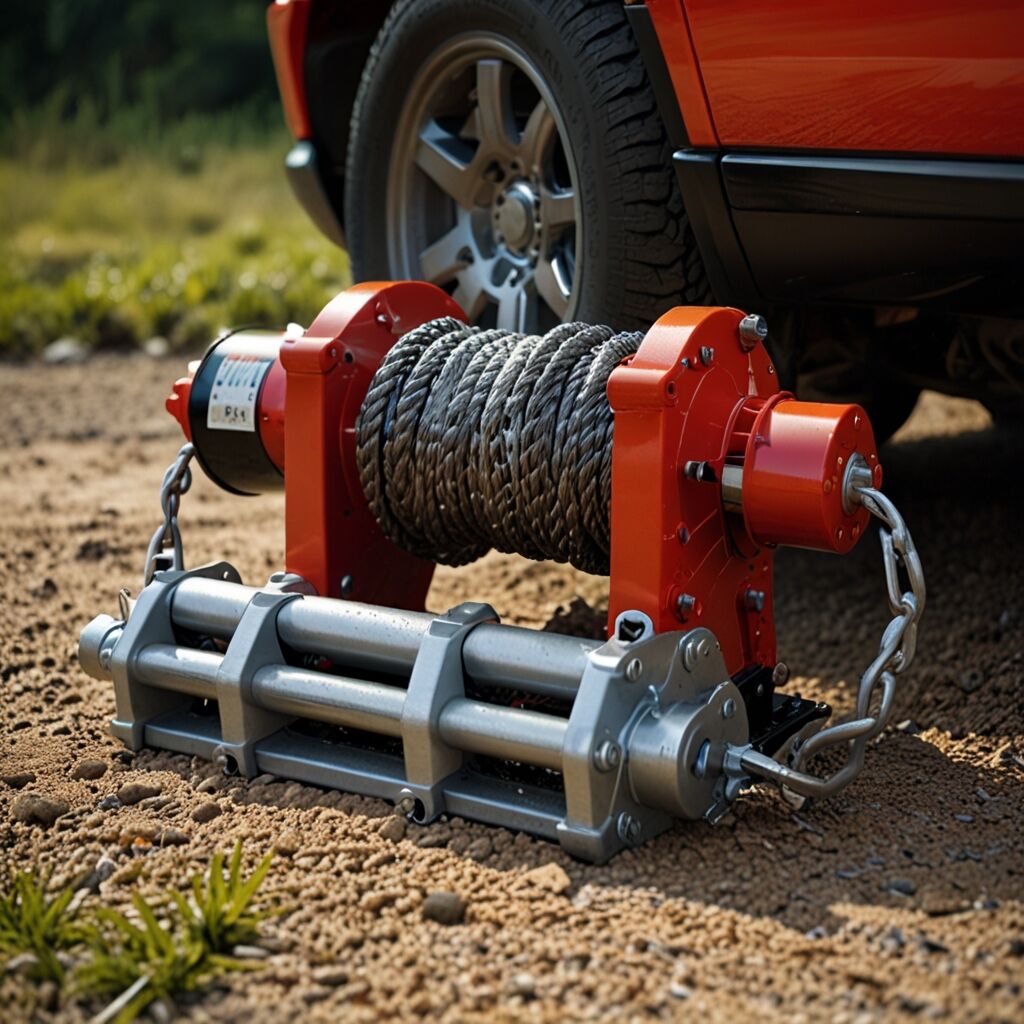
Many users face common mistakes when selecting a winch mounting pattern. Choosing an incompatible winch for your vehicle can lead to safety risks and poor performance. Not considering the specific dimensions of the mounting plate can also affect stability. Failing to verify the winch load capacity might result in your setup being underpowered for recovery tasks. Reviews and expert recommendations can guide you to the best choices, ensuring reliability and efficiency in challenging situations.
Understanding Vehicle Compatibility and Winch Load Capacity
Vehicle compatibility is crucial for a successful winch mounting selection. The winch load capacity should be at least 1.5 times the vehicle’s weight for effective off-road performance. This ensures the winch can handle heavy recovery operations without risking damage. Consider specific features of your vehicle and the intended use of the winch. A matching mounting plate designed for your vehicle model enhances stability and performance. Research and testing reviews can further assist in identifying the best options for your needs.
Key Advantages of the Correct Mounting Setup
- A proper fit enhances safety during recovery operations.
- Using the right pattern boosts the winch’s effectiveness in various conditions.
- The correct setup can extend the lifespan of the winch.
- Users report higher confidence in off-road adventures with compatible winches.
- Easy installations save time and reduce stress during setup.
- The right mounting pattern improves overall vehicle performance.
- Having a secure fit lowers the chance of equipment failure.

Step-by-Step Installation Guide for Various Winch Mounting Patterns
To determine the correct winch mounting pattern for your vehicle, consult your vehicle’s manual for specifications. Consider the vehicle type, weight, and intended usage for off-road recovery. Common installation steps include gathering necessary tools, aligning the winch with the mounting plate, and securing it firmly using the manufacturer’s guidelines. Always keep winch installation guides on hand as they increase reliability and enhance the overall performance of your setup.
Detailed Steps for Vehicle-Specific Winch Installation
When installing a winch, focus on your vehicle model to ensure compatibility. Use a vehicle-specific mounting plate designed for the structure of your vehicle. Begin by placing the winch on the mounting plate. Align the bolt holes, then secure the winch using high-quality bolts to prevent movement. Check all connections for stability and follow proper torque specifications as outlined in your winch manufacturer’s instructions for optimal safety and efficiency. This method can handle rigorous off-road recovery challenges effectively.
Modifying Your Vehicle for Enhanced Winch Compatibility
Enhancing winch compatibility begins with modifications to your vehicle, ensuring optimal performance during off-road recovery. Common modifications include installing a vehicle-specific mounting plate for a secure fit. For example, lifting a vehicle increases ground clearance and offers better angles for winch operation. You should consider beefing up your vehicle’s front end with a heavy-duty bumper, which provides support and stability for the winch. Different vehicle types, such as trucks and SUVs, may require unique mounting solutions to accommodate their dimensions. The weight capacity of your winch mount is crucial; aim for a mount that supports at least 1.5 times the weight of your vehicle.
Understanding Vehicle-Specific Mounting Options
Vehicle-specific mounting options dramatically affect winch performance and reliability. These mounts are designed to integrate seamlessly with your vehicle’s frame and weight distribution. They enhance recovery efficiency by ensuring the winch operates at the right angle and position. For instance, a strength-tested mount for an off-road truck improves stability during recovery operations. When selecting a mounting plate, research and compare various options available for your vehicle model. Installation of the right mount not only enhances functionality but also ensures safety, providing peace of mind while tackling challenging terrains.
Popular Brands and Their Target Users
- Warn is known for its reliability and is popular among professional recovery operators.
- Smittybilt attracts DIY enthusiasts with its affordable options.
- Superwinch offers high-quality winches for recreational off-roaders.
- Top brands often appeal to different vehicle types, such as trucks and SUVs.
- Brands like Warn provide specialized products for heavy-duty applications.
- Affordability from Smittybilt caters to casual users and beginners.
- Superwinch’s ease of installation speaks to first-time users looking for quick setups.
Frequently Asked Questions on Winch Mounting Patterns and Compatibility
Understanding winch mounting patterns is vital for vehicle compatibility. Common patterns include the 10″ x 4.5″ standard, which fits many models. This standard ensures a stable and reliable connection between the winch and the vehicle. Different brands such as Warn, Smittybilt, and Superwinch often feature unique designs that may affect compatibility. Research and read user reviews to determine which brand matches your vehicle’s mounting setup. The standard size for most off-road winches is typically 10″ x 4.5″ or 12″ x 4.5″. Selecting the right size enhances winch reliability and functionality during off-road recovery situations.
Choosing the Right Winch for Your Vehicle
Selecting the ideal winch involves understanding your vehicle’s specifications and recovery needs. Focus on your vehicle’s weight class and recovery capacity. A winch should ideally handle at least 1.5 times your vehicle’s weight for efficient performance. Test various winches from reputable brands to compare their mounting pattern compatibility. This ensures that you choose a winch that fits your vehicle seamlessly. Accessories like vehicle-specific mounting plates can enhance fit and stability. Always prioritize quality and expert reviews before making your purchase.