Using a hand winch for accurate heavy equipment positioning can greatly enhance your operational efficiency. This manual tool allows you to lift and move heavy loads with precision, making it essential for various tasks. Winches Forum World provides you with valuable insights and step-by-step guidance to ensure safe and effective operation with hand winches. Explore our tips and best practices to improve your heavy equipment positioning while prioritizing safety and efficiency.
Introduction to Hand Winches and Their Applications for Heavy Equipment
Hand winches serve essential functions in heavy equipment positioning by providing reliable lifting and moving capabilities. They are effective in various applications, including construction sites where precision and safety are crucial. Hand winches are commonly used in scenarios like towing vehicles, lifting heavy loads, and positioning equipment in tight spaces. The versatility of hand winches enhances operational efficiency and ensures safe equipment movement. A standard hand winch can handle weights ranging from 1,000 to 3,000 pounds, depending on the model. Understanding their reliability and features is vital for properly utilizing them in your specific tasks.
Key Benefits of Hand Winches in Construction and Agriculture
Hand winches offer significant benefits in construction and agriculture through their reliable heavy lifting abilities. They help operators lift or position weights without needing heavy machinery, which can be costly and complex. In construction, hand winches are designed to move scaffolding and concrete forms efficiently, while in agriculture, they assist in relocating equipment and tools. The quality of these winches ensures they withstand tough conditions and provide consistent performance. Proper usage and regular maintenance enhance their durability, making them valuable for any project requiring precise heavy lifting.
Critical Safety Measures When Operating Hand Winches
Essential safety protocols when using a hand winch include conducting a thorough inspection of the winch for any damage, ensuring secure attachment points, and using appropriate protective gear like gloves and helmets. When operating the hand winch, keep bystanders at a safe distance to prevent injuries from sudden movements. The tools and accessories necessary for safe operation include a reliable winch strap, sturdy anchor points, and safety hooks. Additionally, familiarizing yourself with the maximum load capacity of your specific hand winch helps prevent overloading and equipment failure. Always consult the manufacturer’s guidelines for information on safe load limits.
Necessary Tools and Accessories for Safe Winch Operation
Using the right tools and accessories enhances safety during hand winch operation. Consider investing in a quality winch strap designed for heavy lifting. This strap should be rated higher than the load you plan to move. Secure anchor points provide stability. Using safety hooks prevents accidental release. Employ a winch block to change load direction and reduce strain. This setup improves efficiency and safety during the positioning of heavy equipment. Always ensure your protective gear is comfortable and in good condition, enabling easy movement while working with the winch.
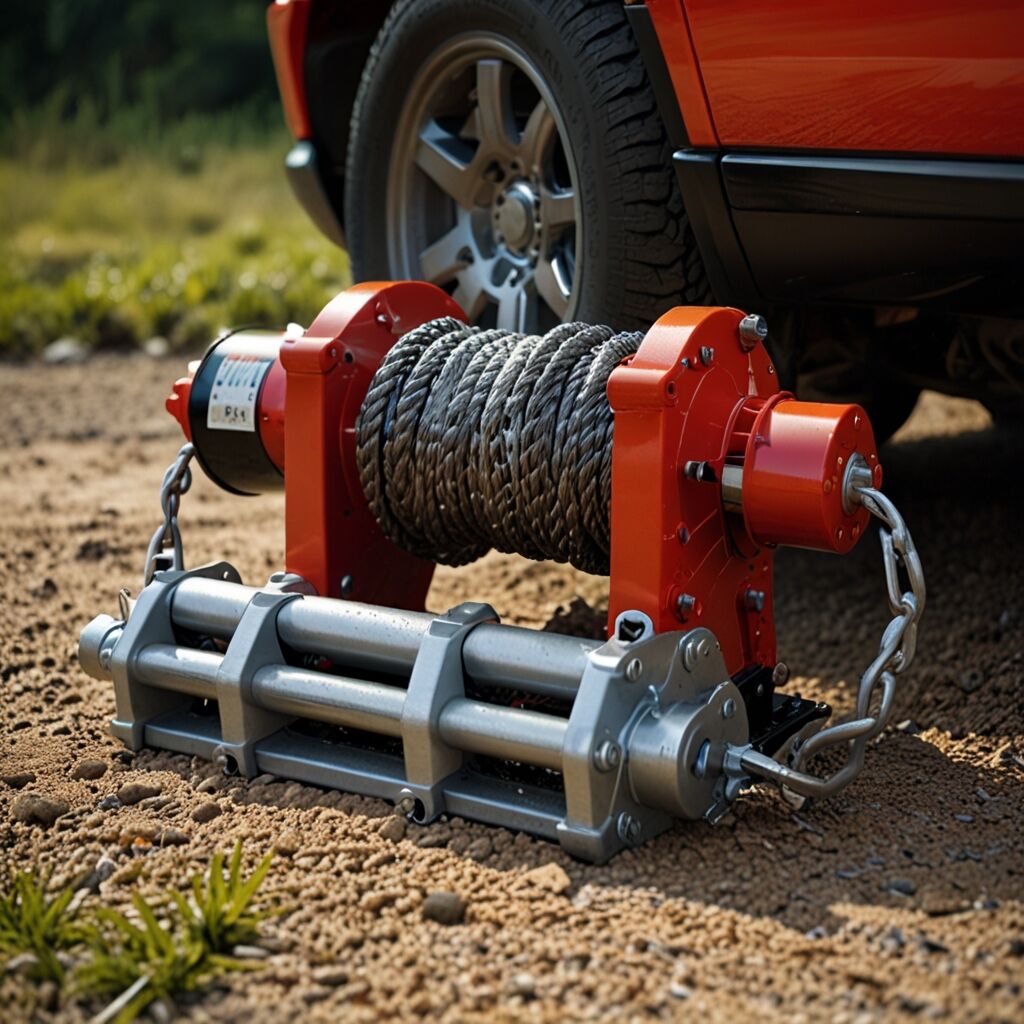
Best Techniques for Precise Positioning of Heavy Equipment with Hand Winches
Advanced techniques for using hand winches include utilizing snatch blocks to double pulling power, ensuring precise alignment to minimize load shift, and using a spotter for better accuracy. Features like adjustable gear ratios enhance operational efficiency by allowing users to select the best speed-to-power ratio for different loads. The maximum weight capacity for hand winches varies depending on the model, ranging from 1,500 pounds to over 10,000 pounds, designed to handle heavy equipment effectively.
Utilizing Snatch Blocks for Enhanced Load Management
Using snatch blocks provides significant advantages in heavy load positioning. They allow for better weight distribution and doubling of pulling power, making it easier to maneuver heavy equipment. By attaching a snatch block to a fixed point, the rope reroutes, which reduces the load’s weight on the winch. This configuration helps ensure safety and enhances precision during the operation. The use of snatch blocks also ensures that users can handle various load sizes efficiently by adjusting the configuration based on weight requirements.
Key Statistical Facts About Winch Usage
- The average pulling capacity of a hand winch is 2,000 to 6,000 pounds.
- Most hand winches have a gear ratio of 4:1 to 6:1.
- Users can operate a hand winch effectively with just one hand.
- Over 70% of winch-related accidents occur due to improper usage.
- A hand winch can lift objects vertically as well as pull horizontally.
- Regular maintenance of your winch can extend its lifespan by up to 50%.
- Using a hand winch can reduce heavy lifting injuries by 30% among workers.

Important Accessories to Enhance Hand Winch Performance
Using the right accessories optimizes hand winch performance, improving safety and efficiency. Essential accessories include synthetic winch ropes, snatch blocks, and winch mounting plates. Synthetic winch ropes offer a good weight-to-strength ratio, enabling effective load handling. Snatch blocks provide a mechanical advantage that enhances pulling strength and changes line direction effectively. Winch mounting plates ensure secure and proper installation, allowing for stable operation. Together, these accessories help maximize the potential of hand winches during heavy equipment positioning tasks.
Maximizing Efficiency with Snatch Blocks
Snatch blocks are essential for enhancing hand winch performance. They allow for double line pulls, which increase the overall pulling capacity. Many snatch blocks can handle loads up to 20,000 pounds or more, depending on their size and design. Using a snatch block not only boosts efficiency but also reduces strain on the winch itself. This helps maintain its reliability during operation, ensuring that heavy equipment is positioned accurately without unnecessary wear. For optimal performance, select a snatch block that matches the specifications of your hand winch.

Common Pitfalls and Errors in Hand Winch Operation
Common mistakes during hand winch operations include improper anchoring, neglecting to inspect the winch before use, and overloading the winch. Users often overlook the importance of ensuring the area around the winch is clear and safe. Many do not realize that each winch has a specific weight capacity, so exceeding that limit can lead to equipment failure and injuries. Essential accessories such as safety hooks and protective gloves help enhance safety but are frequently disregarded. Proper testing of the winch enables users to understand its capabilities before engaging in heavy lifting. Safety precautions, typically around five, should always be adhered to, including proper setup and avoiding risky maneuvers.
Essential Safety Measures When Using a Hand Winch
To ensure safe operation of a hand winch, following essential safety measures is crucial. Always inspect the winch for signs of wear and tear before use. Properly secure the anchor point to enhance stability during operation. Maintain a clear working area to reduce risks of injury. Wearing protective gear, including gloves and eye protection, is vital for personal safety. Using reliable hand winches ensures that you achieve efficiency and prevent accidents during operation. Following these best practices not only provides safety but also improves the overall effectiveness of your winching tasks, making the process easier and more efficient.
Advantages of Maneuvering Equipment with a Winch
- Operators achieve precise movements of heavy items with minimal effort.
- Using a hand winch for positioning significantly improves worksite safety.
- It allows for easy adjustments in tight spots where machinery can’t fit.
- Equipment positioning can happen quickly, saving valuable time on projects.
- Hand winches are portable, making them easy to transport between job sites.
- It enhances teamwork, as one person can operate while others assist.
- Workers can avoid slippage or shifting of loads during adjustments.

Routine Maintenance for Hand Winches to Ensure Safety and Longevity
Essential maintenance tasks for hand winches include regularly inspecting the winch for wear and damage, lubricating moving parts, and checking the cable for frays or kinks. Users should ensure the durability and performance of their hand winches by cleaning them after use to remove dirt and debris. Inspecting the winch every six months or after heavy use is recommended to maintain optimal condition.
Critical Procedures for Maintaining Hand Winches
Critical procedures for maintaining hand winches include greasing the gears and inspecting the winching line for signs of deterioration. Use a suitable lubricant to enhance the efficiency of moving parts. Clean corrosion from the drum and ensure the handle operates smoothly. Regularly test the winch to confirm it can handle the intended load. These steps are crucial for achieving reliable performance and preventing unexpected breakdowns.
Adapting Hand Winch Techniques for Different Work Environments
Different terrains greatly influence the operation of a hand winch. Mountains, mud, and uneven terrains can alter how you position heavy equipment. Rocky surfaces may require more effort, maximizing the necessary force to pull a load. Muddy or slippery areas might jeopardize stability, making secure footing essential. Users should always consider environmental conditions to ensure effective performance, enhancing operational safety and efficiency. Knowledge about load conditions is crucial, as heavier equipment may become unwieldy in challenging environments, thereby affecting the winch’s reliability and efficiency.
Understanding Terrain-Specific Techniques for Hand Winches
When using a hand winch on different surfaces, each terrain type requires tailored techniques for optimal performance. In rocky environments, ensure the hand winch is firmly anchored to prevent slipping. Utilize sturdy straps for added security. On soft ground, carry an extra mat for stabilizing the winch. In wet conditions, consider protective covers to enhance durability and ensure performance isn’t compromised. Thoroughly testing equipment beforehand helps understand capabilities and limitations, providing crucial data on weight capacity and efficiency, especially when dealing with various load conditions.
Brands and Their Market Focus for Winches
- Warn is known for durable electric winches for off-road vehicles.
- Smittybilt offers reliability with a focus on competitive pricing.
- Superwinch develops versatile models for both commercial and recreational use.
- Many DIY enthusiasts prefer Warn for its brand reputation.
- Professional operators often choose Smittybilt for high-load jobs.
- Superwinch appeals to both beginners and seasoned users due to its ease of use.
- Off-road vehicle owners enjoy Warn’s wide range of compatible accessories.
Further Learning Resources for Mastering Hand Winch Usage
Users can enhance their hand winch skills with various online resources. Websites like Winches Forum World provide detailed hand winch tutorials, reviews of the best hand winches, and guides for safe operation. Many brands offer instructional videos and online courses focused on winch operation. To find reliable hand winches, explore user reviews and performance data to ensure quality. Additionally, equipment forums often feature discussions that can help with hands-on testing of various models.
Essential Guide to Choosing the Best Hand Winches
Choosing the best hand winches involves understanding weight limits and features. Look for models that can handle at least 1,500 pounds for heavy equipment positioning. Reliable hand winches include designs by leading brands like Warn, Smittybilt, and Superwinch, which offer impressive durability and efficiency. Users should compare specifications to enhance their decision-making. Reading performance reviews helps identify models with proven track records for reliability and effectiveness in various situations.