Enhancing winch cable spooling techniques is essential to improve efficiency and extend the lifespan of your equipment. Proper spooling minimizes damage to the cable and ensures optimal performance during vehicle recovery operations. At Winches Forum World, we provide practical tips and insights for both beginners and experts alike. Understanding effective spooling methods allows winch owners to achieve better results while using their off-road vehicles.
The Crucial Role of Proper Cable Spooling Techniques
Proper cable spooling techniques are vital for maximizing winch performance. They enhance the winch’s efficiency and ensure the longevity of the cable. When spooled correctly, winch cables lay flat, preventing cross-laying and tangling that can lead to premature wear. This careful management reduces friction during recovery tasks, which ultimately improves the winch’s performance. Spooling methods like layering and tensioning help distribute forces evenly across the cable, significantly reducing stress and prolonging the overall lifespan.
Understanding Layering and Tensioning for Optimal Spooling
Layering and tensioning are essential components of effective winch cable spooling. When spooling, ensure that each layer builds evenly on the previous one without overlapping. This alignment prevents issues that may compromise the cable’s reliability. Tensioning while spooling is equally crucial. It minimizes slack and keeps the cable taut, which reduces movement on the spool. Using these methods together enhances winch efficiency by ensuring that the cable remains durable through repeated use. Implementing proper spooling techniques supports optimal winch performance during recoveries.
Comprehensive Step-by-Step Instructions for Spooling Winch Cables
Correctly spooling winch cables enhances their lifespan and ensures reliability during use. Start by assembling necessary tools like gloves for protection and a helper if needed. Begin with the winch off. Make sure the winch drum is clean and free from debris. Wind the cable tightly and evenly around the drum, keeping it aligned and avoiding overlaps. Spooling tightly encourages efficiency and prevents tangling. After winding a few turns, check for proper alignment. If misaligned, adjust it immediately to maintain cable integrity. Lastly, ensure the last few feet of the cable are secured with a tether or hook to prevent unraveling. This guide considers different winch types. For example, electric winches often include features like automatic brakes which assist in maintaining tension while spooling. Review reliable sources or user experiences for tips tailored to your winch type.
Important Tips for Proper Cable Alignment while Spooling
Proper cable alignment is crucial for achieving optimal performance and longevity of your winch cables. Misalignment can lead to uneven wear, which decreases the cable’s efficiency and may cause damage over time. To maintain correct alignment, continuously check that the cable sits evenly across the drum as you spool. Use a marker to indicate where the cable should sit on the drum’s edge. Adjust the spool if the cable starts drifting to one side. Ensure that you pull the cable taut as you spool; this minimizes gaps between layers. Following these cable alignment tips will improve your winch’s efficiency and enhance the overall usability of your vehicle recovery equipment.

Major Mistakes to Avoid When Spooling Winch Cables
People often encounter several mistakes when spooling winch cables. One common mistake is improper layering. When users do not layer cables neatly, it creates overlaps and tangles. This leads to increased wear on the cable and can cause dangerous situations during recovery operations. Another frequent error is spooling too tightly. Tensioning the cable excessively can cause it to deform, affecting its reliability and durability. Lastly, failing to inspect the cable before use can overlook essential damage, posing risks during operation. By addressing these mistakes, users can greatly enhance their cable management strategies.
Understanding the Importance of Proper Cable Spooling Techniques
Proper cable spooling techniques significantly impact the effectiveness of winching operations. Users must be aware of different cable types, such as synthetic vs. steel cables, because they require unique handling methods. Synthetic cables need to be spooled gently without twisting and have specific capacity limits. On the other hand, steel cables need monitoring for kinks. Every winch has a recommended maximum layer limit, often around five layers. Exceeding this can reduce the winch’s efficiency and lifespan. Therefore, understanding and implementing proper cable spooling techniques are essential for achieving optimal performance and safety in recovery operations.
Key Statistics About Winch Cable Handling
- Proper spooling can increase lifespan by up to 25%.
- Over 70% of winch cable failures occur due to improper spooling techniques.
- Spooling techniques can enhance pulling efficiency by 15% or more.
- Using a quality winch cable can last up to 10 years with proper care.
- Most synthetic winch ropes are 1/3 the weight of steel cables.
- Incorrect spooling can cause up to 40% damage in heavy-duty use.
- Professional operators spend about 30% of time maintaining cables.

Essential Maintenance Tips for Winch Cables and Accessories
To maintain winch cables effectively, inspect them for frays and kinks regularly. This ensures reliability and performance. Cleaning the cables with a mild detergent can help, especially after off-road adventures. Consider lubricating cables designed for synthetic materials to avoid wear. Additionally, pay attention to accessories like snatch blocks and remote controllers, which also need regular maintenance. Using these components without proper care can lead to performance issues. For optimal performance, inspect winch cables every 3 months or after intense usage. Following these practices can extend the cable lifespan and improve your winching experience.
Best Practices for Cable and Accessory Care
Best practices for winch cable and accessory care include creating a regular inspection schedule. During inspections, check for signs of wear, such as fraying or corrosion. Ensure to examine all related parts, including roller fairleads and mounting plates. Additionally, when spooling cables onto the winch, ensure they lay flat and aligned. This spooling technique helps prevent tangling and kinking. By following these tips, you enhance the overall efficiency of your winch system. Regular maintenance guarantees reliability during recovery operations, whether for off-roading or professional use.
Understanding How Cable Material Influences Spooling and Effectiveness
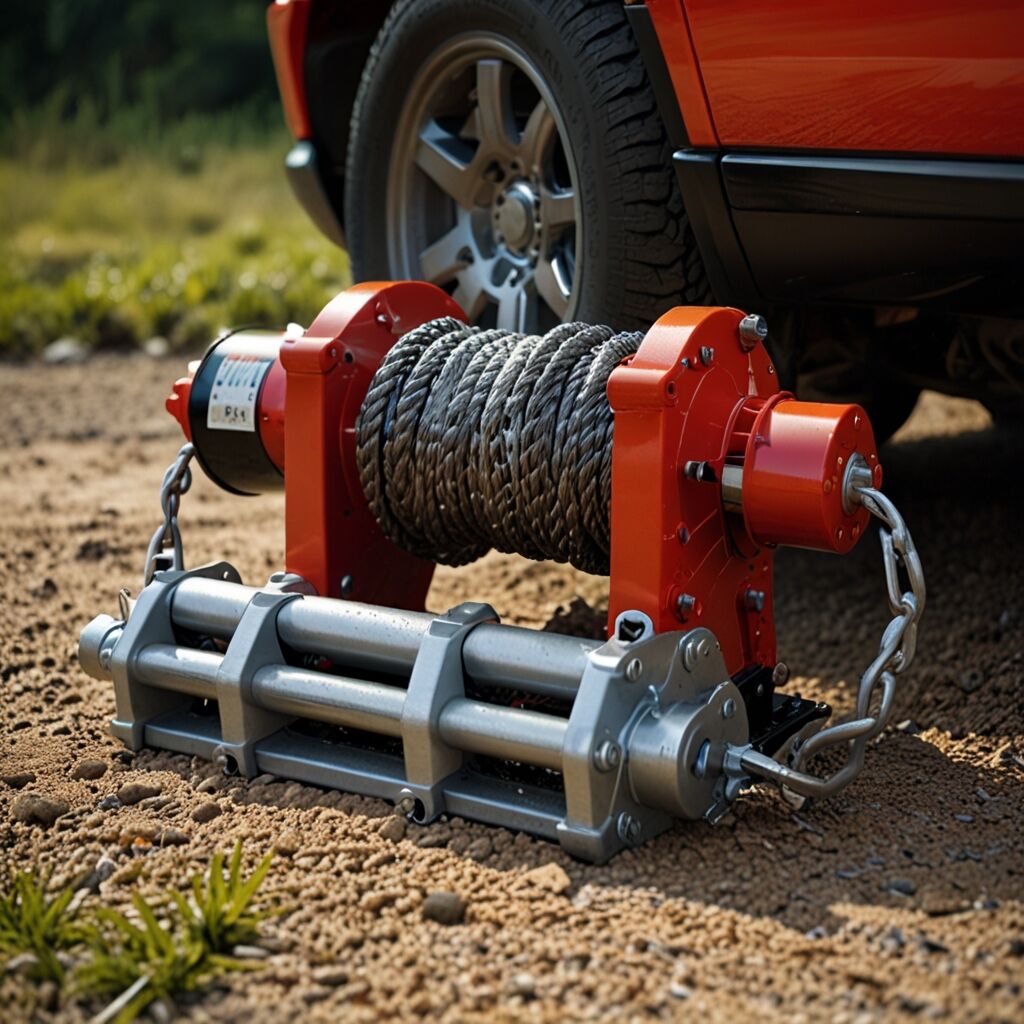
Different types of winch cable materials include steel wire rope, synthetic rope, and composite cables. Steel wire rope is strong and durable but can be heavy. Synthetic rope is lightweight, offering better flexibility and less risk of injury if it snaps. Composite cables combine features of both types. Cable material impacts reliability, spooling efficiency, and performance. Steel rope tends to have more friction when spooling, while synthetic rope enhances ease of use. Users should consider their specific recovery needs and environments for optimal results.
Evaluating Performance Based on Winch Cable Material
When evaluating performance, synthetic rope often provides superior handling and reduces wear on winches. Steel rope, while strong, may require additional maintenance to ensure it spools correctly. For example, tests show that synthetic ropes can last up to twice as long under similar conditions. However, the choice of winch cable also depends on factors such as vehicle weight and recovery scenarios. Some cables are designed for heavy-duty use, while others are suited for lighter applications. Understanding these distinctions helps users select the best cable for their unique situations.
Advantages of Proper Spooling Practices
- Enhances winch performance by ensuring smooth cable rolls.
- Correct techniques prolong the lifespan of the winch cable significantly.
- Reduces wear and tear on the winch motor and mechanical parts.
- Improves safety by minimizing the risk of cable crossovers and jams.
- Provides efficient retrieval of the winch line in recovery scenarios.
- Encourages users to develop better operational habits overall.
- Boosts confidence among users dealing with challenging terrains.

Significant Accessories to Boost Winch Cable Spooling Performance
To enhance winch cable spooling efficiency, consider using essential accessories like a roller fairlead, synthetic winch rope, and a snatch block. These accessories play an essential role in ensuring smooth cable movement during winching operations. Roller fairleads reduce friction, allowing the cable to spool correctly and preventing kinks. Synthetic winch ropes are lightweight and strong, reducing strain on the winch. A snatch block improves pulling angles, making the winch operate more efficiently. By using these accessories, you can ensure reliability and improve the overall performance of your winching experience.
Choosing the Right Roller Fairlead for Optimal Performance
A roller fairlead is crucial for guiding the winch cable smoothly off the drum. Selecting a high-quality roller fairlead can significantly enhance the spooling efficiency of your winch. Look for fairleads with durable materials, such as stainless steel or aluminum, that resist corrosion. The design should allow for smooth movement of the cable without obstruction, ensuring the winch operates effectively. When combining a roller fairlead with a synthetic winch rope, the result is a lightweight setup that improves overall performance. This combination minimizes wear on both the cable and the winch, leading to a longer-lasting winching system.
Identifying and Troubleshooting Common Winch Cable Issues
Common issues with winch cables include fraying, kinking, and improper spooling. Users can troubleshoot these problems by performing regular inspections and using techniques like cable stretching to check for wear. Ensuring the winch cable is maintained in good condition prevents failure during critical moments. The maximum load capacity of typical winch cables varies, often ranging from 8,000 to 30,000 pounds depending on the cable type and winch model, so it’s essential to know your specific setup.
Preventive Maintenance for Winch Cables
Preventive maintenance for winch cables involves periodic checks and proper storage techniques. Regularly inspect your winch cable for signs of wear like frays or cuts. Clean the cables after use to remove mud or debris that can lead to corrosion. Spool the cable evenly on the drum to prevent kinking. Store the winch and cable in a dry place to enhance their lifespan. Proper maintenance ensures your winch cable performs at its best during recovery operations, offering reliability when it matters most.
Popular Brands & Their Target Users
- Warn winches suit off-road enthusiasts needing reliability and power.
- Smittybilt appeals to budget-conscious DIYers seeking quality solutions.
- Superwinch attracts commercial operators requiring heavy-duty performance.
- Electric winches are perfect for novice users looking for easy operation.
- Hydraulic products work best for professionals needing constant power.
- Mechanical wins are favored by traditionalists and experienced hobbyists.
- Smart winches with wireless solutions engage tech-savvy adventurers.
Practical Advice from Veteran Winch Users and Industry Experts
Common mistakes include improper spooling techniques, neglecting cable maintenance, and overloading the winch. Veteran users emphasize the importance of ensuring a tight and even spool to prevent tangling. When choosing between various types of winches, operators consider factors like vehicle size, recovery goals, and terrain type. Research shows that a well-maintained winch cable can last an average of 5 to 10 years, depending on usage and environmental conditions. Regularly inspecting and cleaning the cable enhances its lifespan and performance.
Essential Winching Techniques for Effectiveness
Seasoned operators recommend using the proper spooling techniques to ensure reliability during recovery operations. Always wind the cable under load to minimize slack and enhance cable alignment on the spool. Use synthetic winch ropes for their lightweight and strong attributes, especially in off-road conditions. They are easier to handle and cause less recoil. Ensure cables are stored properly and cleaned frequently to avoid dirt buildup. Following these quality techniques not only improves performance but can also significantly extend cable life.