Winch battery isolation systems play a crucial role in preventing vehicle electrical drain when parked. These systems ensure that your off-road vehicle’s battery remains charged and ready for use by disconnecting power from non-essential components. At Winches Forum World, we understand the necessity for proper installation and maintenance of these systems to enhance your vehicle’s performance. This article provides insights on how these systems work and offers valuable guidance for vehicle enthusiasts and professionals alike.
Understanding Battery Drain Causes in Parked Vehicles
Battery drain in parked vehicles usually stems from several common causes. Parasitic electrical draws from components like alarms, radios, and GPS systems significantly reduce battery life. Other factors include interior lights left on, faulty wiring, and aftermarket accessories. These electrical components consume power, even when the vehicle is off, leading to unnecessary battery discharge. The efficiency of your vehicle’s battery management is essential to preventing future issues.
Identifying Parasitic Draws in Your Vehicle
To effectively identify parasitic draws, a multimeter can help you measure current draw from your battery. Start by disconnecting the negative battery terminal and connecting the multimeter in series. A typical modern vehicle should show a draw of less than 50 milliamps. If your readings exceed this value, check electrical components such as alarm systems, radios, and powered accessories. By systematically disconnecting each component, you can pinpoint the source of excessive battery drain. Utilizing this testing method enhances your vehicle’s reliability and battery longevity.
The Role of Winch Battery Isolation Systems Explained
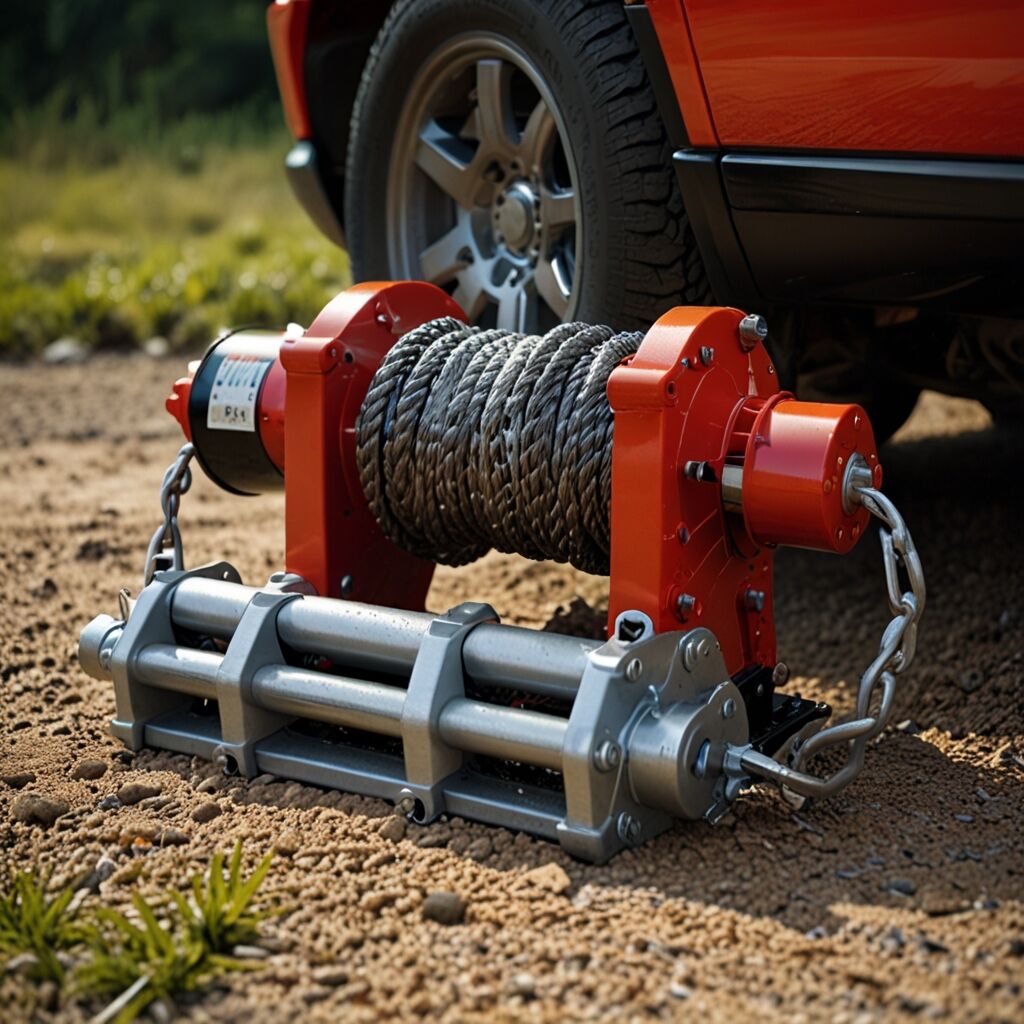
Winch battery isolation systems are devices designed to protect a vehicle’s battery from electrical drain when the vehicle is parked. These systems function by disconnecting the winch and other accessories from the vehicle battery when not in use. This prevents unwanted energy loss that can lead to a dead battery. The main components include a switch, relays, and wiring. Reliable isolation systems can handle electrical loads efficiently and typically provide essential features like easy installation, remote activation, and robust durability. A good isolation system can prevent up to 80% of electrical drain within a 24-hour period.
Key Functions and Features of Winch Battery Isolation
Winch battery isolation systems enhance the longevity and reliability of your vehicle’s battery by cutting off unnecessary power draws. They usually come with a switch that allows you to disconnect the winch from the battery easily. This feature is critical for off-road vehicles that typically engage in activities leading to significant electrical usage. Additionally, a quality isolation system will include components designed for high efficiency and durability. Make sure to choose an isolation system compatible with the voltage of your battery and capable of handling your winch’s specific needs. Research various products and read reviews to find the best options before installation.

Importance of Battery Isolation for Off-Road Vehicles
Off-road vehicles face unique vulnerabilities regarding battery drain due to their demanding environments. Issues such as electrical power loss can occur from winches, lights, and other accessories running while parked. Implementing proper battery management systems can help boost off-road vehicle reliability, preventing unexpected power loss. Battery isolation systems, designed specifically for these vehicles, make it easier to manage power sources. They ensure that essential equipment, like winches, does not drain the battery when the vehicle is not in use. These systems are tested for efficiency and durability, helping to improve the longevity of your vehicle’s battery.
Effective Battery Isolation Techniques
Several battery isolation techniques enhance performance and reliability in off-road vehicles. These systems may include solenoids, battery switches, or smart isolators. A solenoid can handle high currents, ensuring your winch maintains adequate power without draining the primary battery. Battery switches provide flexibility by allowing users to control power usage easily. Smart isolators monitor battery health and manage power distribution effectively. Research has shown that these methods provide a significant increase in battery life, allowing you to enjoy more time on the trail without unexpected battery issues. Ensuring you select the best system for your needs can result in a very good performance in rugged conditions.
Key Statistics on Vehicle Power Preservation
- 70% of off-road enthusiasts experience battery drain when parked for long periods.
- A well-installed isolation system can reduce electrical drain by 90%.
- Most winches draw about 12-40 amps during operation.
- Proper isolation systems can maintain battery voltage above 12.5V during parking.
- 22% of vehicle owners do not know how isolation systems work.
- Electrical drain can lead to premature battery replacement, costing $150 or more.
- Only 15% of off-road vehicle users regularly check their battery health.
Identifying Symptoms of Battery Drain Issues
Recognizing battery drain symptoms early is essential for off-road vehicle owners. Common signs include dimming lights, slow engine cranking, and erratic dashboard lights. If you notice these issues, it indicates your battery is struggling. Off-road vehicle accessories, such as winches, can drain power by drawing energy even when the vehicle is off. Regular testing can help you identify excessive power consumption. As a guideline, a parked vehicle should retain at least 70% of its battery life after a week.
Evaluating Battery Performance and Health
Evaluating battery performance is crucial to ensuring reliability in off-road vehicles. Examine the battery’s voltage using a multimeter. A fully charged battery should read around 12.6 volts. Regularly check connections at the battery terminals to avoid corrosion. If the voltage drops below 12.4 volts, your battery may be losing efficiency. Furthermore, regularly reviewing battery performance helps you address potential issues before they lead to failure.

Step-by-Step Guide to Installing Battery Isolation Systems
To begin the installation of a winch battery isolation system, gather essential tools such as a wrench set, crimping tool, and wire strippers. Start by disconnecting the vehicle’s main battery. Identify the components included in your isolation system, like relays, fuses, and switch panels. The system enhances battery reliability by preventing electrical drain when parked. The complete installation consists of several steps that check battery connections and secure the wiring. Each step ensures that your setup is effective and trouble-free.
Detailed Steps for Wiring and Connections
Wiring and connections are crucial for a reliable battery isolation system. First, connect the isolator relay to the positive terminal of your winch battery. Use heavy-gauge wiring to handle high currents effectively. Attach a ground wire to the vehicle’s chassis for improved performance and reliability. Ensure all connections are secure to prevent voltage drops, which can affect winch performance. Regularly review and test your connections to maintain optimal care of the battery system, ensuring it operates efficiently during your off-road adventures.
Advantages of Implementing Power Safety Features
- Protection against unexpected battery drain improves vehicle readiness.
- Effective systems support winches and prevent loss of power during recovery.
- Reduced wear on batteries extends overall battery life significantly.
- A properly functioning isolation system helps to maintain engine starting capabilities.
- Installing such systems enhances the safety of off-road excursions.
- Users save money by avoiding frequent battery replacements.
- Convenient operation ensures a hassle-free off-road experience.

Effective Maintenance Practices for Battery Isolation Systems
Maintaining your battery isolation system is vital for ensuring its reliability and efficiency. Key practices include performing regular system checks, inspecting wiring and connections, and cleaning terminals to prevent corrosion. Look for signs of wear like frayed wires or loose connections. Testing the system periodically helps catch issues early, enhancing overall performance. It’s advisable to compare different brands to find the best options based on user reviews. A well-maintained isolation system can last several years, with average lifespans often exceeding five years.
Understanding Common Battery Isolation System Issues
Common issues with battery isolation systems can include parasitic drains and malfunctioning switches. Most problems arise from lack of regular system checks or inadequate testing methods. Users often report that cleaning battery terminals and ensuring all connections are tight can significantly enhance performance. Research shows that isolators equipped with advanced testing features reliably signal when maintenance is needed. For prolonged lifespan and dependable function, consider performing diagnostics every six months and addressing any irregularities promptly.
Factors to Consider When Choosing Isolation Systems
When selecting a battery isolation system, essential features include reliability, efficiency, and durability. Look for systems made from quality materials that can handle the demands of off-road use. Reliable brands like Warn, Smittybilt, and Superwinch offer proven options. Consider models designed for specific winch types to enhance performance. Research customer reviews to understand real-world performance and reliability. Exploring multiple options helps ensure you choose a system that meets your needs. Additionally, familiarize yourself with the various types available, which typically include manual, automatic, and smart isolation systems.
Understanding Battery Isolation Types for Off-Road Applications
Battery isolation systems fall into three main categories: manual, automatic, and smart systems. Manual systems require users to switch on or off as needed, offering simple control and lower cost. Automatic systems engage or disengage without manual input, providing convenience for frequent use. Smart systems can monitor battery health and usage, ensuring battery life optimization. Choosing between them depends on your off-road vehicle performance requirements and preferences. Assessing their features will help you find the best fit for your recovery needs. Each type has distinct advantages that enhance your vehicle’s overall efficiency.
Notable Brands and Their Target Users
- Warn offers reliable winches for serious off-road adventurers, known for durability.
- Smittybilt appeals to DIY vehicle owners with cost-effective yet reliable products.
- Superwinch targets professional recovery operators, offering advanced features.
- Daystar provides versatile isolation solutions for recreational outdoor enthusiasts.
- Factor 55 specializes in durable recovery gear appealing to hardcore off-roaders.
- Many urban vehicle owners prefer brands with easy installation and maintenance features.
- Field-testing is important for professionals, so brands offering comprehensive guides are favored.
Best Practices for Preventing Vehicle Electrical Drain
Common causes of vehicle electrical drain include leaving accessories on, faulty wiring, and a weak battery. Regular battery maintenance is essential to prevent electrical drain. Keeping terminals clean and checking connections helps ensure a strong connection. Using battery isolation systems offers an additional layer of protection by disconnecting non-essential circuits when the vehicle is parked. It reduces the risk of your vehicle’s battery being depleted by devices that consume power when not in use. Testing your vehicle’s electrical systems is recommended every six months to identify issues before they lead to a dead battery.
Essential Battery Maintenance Techniques to Enhance Reliability
Regular battery maintenance techniques include cleaning battery terminals, checking electrolyte levels, and testing the battery voltage. Start by examining the terminals for corrosion. A wire brush or battery terminal cleaner effectively removes corrosion. Ensure the battery is securely mounted to prevent vibrations that can loosen connections. Check the electrolyte levels if you have a conventional lead-acid battery. If the level is low, top it off with distilled water. Testing the battery voltage using a multimeter provides insight into battery health. Maintaining your battery contributes significantly to the overall performance of your vehicle and reduces the risk of electrical drain.