Choosing the right winch size for your ATV is crucial for ensuring its optimal performance and longevity. A properly sized winch helps prevent vehicle damage during recovery situations, making your off-road experience safer and more enjoyable. At Winches Forum World, we prioritize providing you with accurate guidance and information to select the right winch for your needs. Understanding winch specifications, like pulling capacity and type, will assist you in making informed decisions that enhance your ATV’s capabilities.
Understanding the Importance of Winch Size for ATVs
Selecting the right winch size is crucial for your ATV’s performance. A winch that is too small may struggle to pull your vehicle out of tough situations, risking damage to the ATV both mechanically and structurally. Conversely, a winch that is too large can add unnecessary weight and may not function optimally, affecting your ATV’s efficiency and maneuverability. It is essential to match the winch size with the ATV’s weight and intended use to enhance safety and reliability. Research and reviews show that understanding your ATV’s specifications will guide you to make an informed choice, ensuring that the chosen winch provides the necessary power while being compatible with your vehicle.
Determining the Right Winch Capacity for Different ATVs
When choosing the right winch capacity, consider the weight of your ATV along with the activities it will be used for. Most experts recommend that the winch should have a pulling capacity that is at least 1.5 times the weight of the vehicle. For example, if your ATV weighs 500 pounds, a winch with a minimum pulling capacity of 750 pounds is ideal for safe and efficient recovery. Different types of ATVs, such as utility, sport, or touring models, each have unique weight specifications that must be taken into account. Consulting expert reviews and data about specific ATV models can aid in selecting a reliable winch that enhances performance and ensures safety during off-road adventures.
Calculating Weight and Load Requirements for Your ATV
To accurately determine the total weight of your ATV and its load, start by checking your ATV’s manufacturer specifications. This gives you the base weight. Next, add the weight of any accessories or equipment you typically carry, such as a toolbox or additional fuel. The total of these figures will provide your overall weight. When considering winch capacity, keep in mind that your winch should ideally have a pulling capacity of at least 1.5 times the total weight of your ATV and its load for reliable performance. For example, if your combined weight is 1,200 pounds, your winch should have a minimum capacity of 1,800 pounds for effective vehicle recovery. This guideline enhances safety and ensures efficient operation when you need to pull your ATV out of tough situations.
Understanding Load Factors Impacting Winch Selection
Understanding load factors is crucial for winch selection. Factors include the terrain, angle of pull, and dynamic load. If you plan on using your ATV in sloped or uneven terrain, you must consider the additional forces acting on the winch during recovery. A winch may experience a greater load when pulling at an angle versus straight up. Additionally, environmental conditions like mud or snow can further increase required pulling power. It’s recommended to review these factors based on your anticipated usage. Always choose a winch that exceeds the calculated needs for enhanced reliability and durability in recovery scenarios.

Exploring Different Winch Types for Optimal Performance
Electric winches are popular for their ease of use, quick deployment, and lightweight. They are powered by the ATV’s battery. Their major strength is simplicity, as most have easy installation processes. However, they can struggle in heavy-duty recovery situations and may drain batteries if used extensively. Hydraulic winches are known for their impressive pulling power and durability. They perform reliably under heavy loads, making them great for extreme off-road conditions. Though they are more expensive and complex to install, they provide superior efficiency. Mechanical winches offer a rugged option that operates without electricity. Their strengths lie in reliability and ease of maintenance. However, they can be slower and require more effort to operate. When considering winch performance, understanding these capabilities helps users choose the best option for their needs.
Essential Features of Winch Accessories for Enhanced Performance
Winches often come with various accessories designed to enhance their efficiency and reliability. Features like synthetic winch ropes are lighter and stronger than steel cables, reducing the risk of injury during recovery. Snatch blocks are useful for multiplying the winch’s pulling power, allowing users to overcome heavier obstacles. Additionally, roller fairleads ensure smooth handling of the winch line, preventing wear. Many winches also offer wireless remote controllers for safer, more convenient operation. When selecting a winch, understanding accessory benefits improves overall performance and enables seamless recovery in challenging situations.
Key Numerical Facts on Winch Specifications
- Winch power ratings typically range from 1,500 to 8,000 pounds.
- Most ATVs weigh between 400 and 1,200 pounds.
- The recommended winch size is about 1.5 times your ATV’s weight.
- Electric winches can have line speeds of 3 to 16 feet per minute.
- Recovery ropes generally have a breaking strength of around 7,000 to 9,000 pounds.
- Hydraulic winches usually operate within a 12-volt or 24-volt system.
- Winch installations often take approximately 2 to 4 hours when done correctly.
Understanding Gear Ratios and Their Impact on Functionality
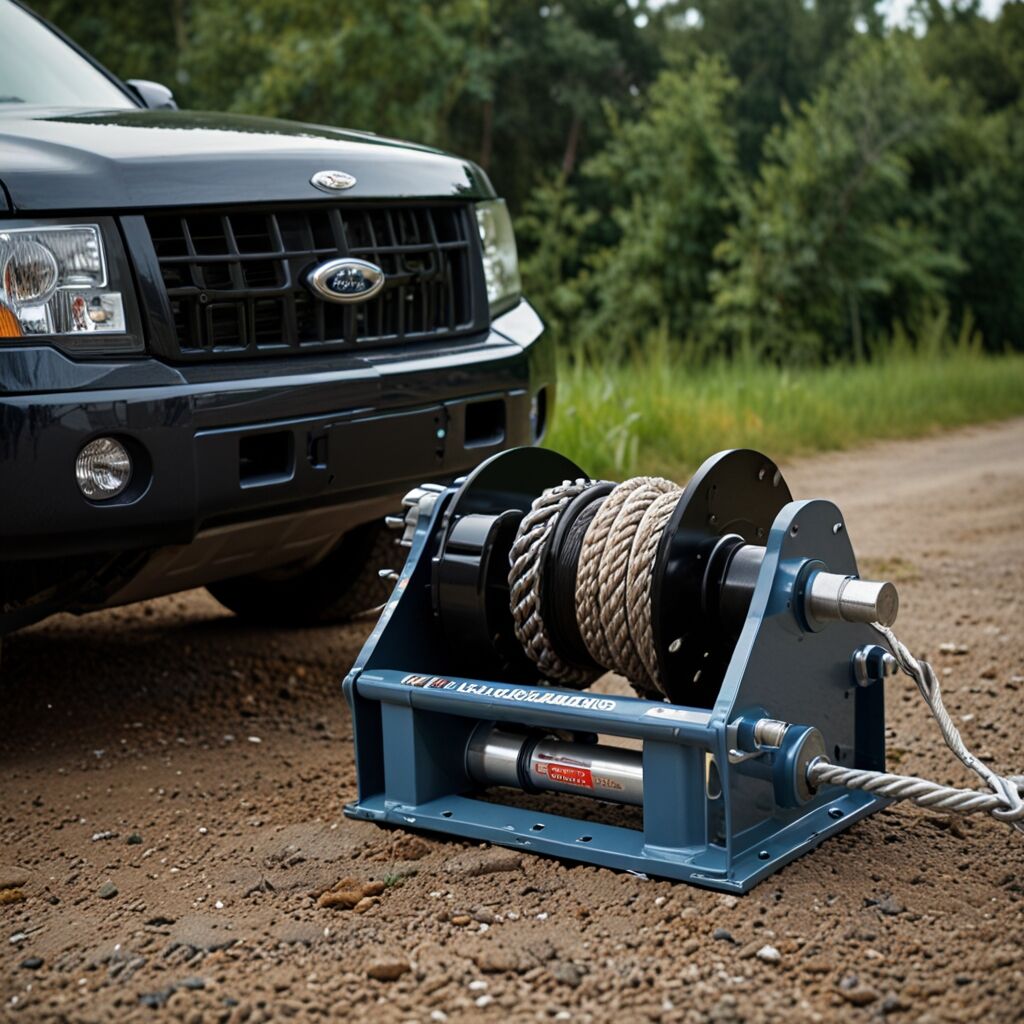
Gear ratios directly affect the performance of winches in lifting speed and power. A higher gear ratio means the winch can lift heavy loads slower but with more power. This is beneficial for tough recovery situations. Conversely, a lower gear ratio allows for faster lifting speeds but with reduced power output and is useful for lighter loads. Understanding these configurations helps you choose a winch that meets your recovery needs while ensuring the reliability and efficiency of your ATV.
Choosing the Right Gear Ratio for Your Recovery Needs
Selecting the appropriate gear ratio is crucial for achieving optimal performance during vehicle recovery. Lower gear ratios like 3:1 provide greater pulling power, perfect for hauling heavier loads, while higher ratios such as 6:1 offer faster line speed for lighter recoveries. ATV owners should prioritize their expected recovery scenarios. A winch with a ratio between 4:1 and 5:1 generally delivers a good balance of speed and power, making it a versatile choice. Always consider the type of terrain you navigate and how frequently you require recovery assistance to ensure your winch selection meets your demands effectively.

Choosing the Right Mounting Location for Your Winch
When selecting a mounting location for your winch, consider factors such as accessibility, weight distribution, and safety. Proper placement should provide easy access to the winch controls. It should not obstruct vehicle operation and enhance winch efficiency during recovery. The winch’s weight and position affect the ATV’s performance. Ensure the mounting location aligns with your ATV’s specifications for compatibility. Common winch brands include Warn and Smittybilt, which have specific designs for proper placement on various ATV models. For optimal airflow and cooling, position the winch about 3 inches away from the grille. This helps maintain engine performance during winch operations.
Ensuring Optimal Winch Placement for Safety and Performance
Correct winch placement significantly impacts both safety and performance. Choose locations that secure in a robust mounting plate designed for your ATV model. This increases reliability during recovery operations. The winch must be positioned to minimize any risk of cable tangling or interference with other components. Ensure that the winch is easily accessible for quick release and re-engagement. Check that any electrical connections are secured and away from heat sources. Good installation practice enhances the winch’s performance and durability. Users can refer to reviews and expert comparisons for the best mounting accessories. Reliable installation enhances the winch’s overall safety and effectiveness in challenging conditions.
Advantages of Correct Winch Size Selection
- A properly sized winch prevents unnecessary wear on your ATV.
- Choosing the right size enhances your recovery efficiency.
- The correct size increases the safety of off-road excursions.
- A suitable winch size helps you avoid potential damage to your vehicle.
- The right winch improves overall performance during tough recoveries.
- Proper sizing reduces strain on winch components, extending their lifespan.
- It also ensures fast and reliable pulls in critical situations.

Essential Winch Accessories to Consider for Enhanced Usability
Essential winch accessories can greatly enhance your vehicle’s recovery performance. Accessories like synthetic winch ropes improve recovery safety with their lightweight and durable design. Snatch blocks are also essential as they double the pulling power of your winch. They redirect the line and reduce strain on your winch. Standard synthetic winch ropes usually have a weight capacity of around 8,000 to 12,000 pounds, making them reliable for various recovery tasks.
Understanding Synthetic Winch Ropes and Their Advantages
Synthetic winch ropes are designed to provide high strength and durability while being lightweight. Unlike steel cables, they are easier to handle and less prone to kinks or burrs. Research shows that synthetic ropes can handle loads more safely because they do not store energy like steel. When they snap, they are less likely to cause injury or vehicle damage. These ropes also float on water and resist abrasion, which ensures their performance in wet conditions. This feature enhances overall recovery efficiency, especially in off-road adventures.
Implementing Safety Guidelines During Winching Activities
Adhering to ATV winching safety is crucial for a successful recovery operation. First, always assess the terrain and ensure you have a clear path for the winch line. Use gloves to prevent injuries caused by rope burns. It’s also essential to wear protective eyewear to shield against debris. Equipment checks should include verifying the winch’s condition and ensuring the proper attachment of the winch rope. When winching, ensure bystanders are at a safe distance, typically at least 50 feet away. This helps prevent injuries from any unforeseen line snaps. The right user safety equipment can significantly enhance protection during ATV recovery operations.
Essential Equipment for Winching Safety
Using quality equipment during ATV winching enhances safety and effectiveness. Always have a quality synthetic winch rope, as it is lighter and safer than steel rope. A sturdy tree saver strap should be used when anchoring to trees to prevent damage. Ensure to utilize a winch block when needing to change direction, providing stable support for the load. A winching blanket can also help absorb shock if the line breaks, reducing injury risks. Many users recommend having a first-aid kit readily accessible during recovery operations. This equipment aids in emergencies and improves overall winching performance.
Popular Brands and Their Use Cases in Winch Products
- Warn is known for rugged builds, appealing to serious off-roaders.
- Smittybilt offers affordable options for budget-conscious riders.
- Superwinch is praised for its reliable performance and durability.
- Heavy-duty users often prefer hydraulic winches for commercial recovery.
- Casual recreational riders usually choose electric winches for convenience.
- Professional recovery operators often select brands like Warn for reliability.
- First-time buyers seek intuitive products like Smittybilt for easy use.
Avoiding Common Mistakes in ATV Winch Selection
Selecting the right ATV winch is crucial to enhance your vehicle’s performance and ensure safety. Common mistakes include choosing a winch with insufficient weight capacity, not considering the winch’s mounting system, and overlooking the importance of reliable brands. Insufficient weight capacity can lead to vehicle damage or ineffective recovery. Always compare weight capacity across models to find the best option. Users should prioritize quality and durability, reviewing community feedback before purchasing. Ensuring you have a winch designed for your ATV’s weight is essential for optimal performance.
Understanding Winch Weight Capacity for Different Models
When evaluating winch weight capacity, consider your ATV’s specific needs, particularly its weight. For an ATV weighing around 500 pounds, a winch with a minimum pull capacity of 1,500 to 2,000 pounds is recommended. This ensures enough power for recovery without risking the winch’s reliability. The weight capacity varies among brands and models. Some well-regarded options include electric winches from Warn and Smittybilt, which are known for their efficiency and durability. Always check product specifications and user reviews for insights on performance and suitability.