Hand powered winches operate by using mechanical advantage to lift or pull heavy loads through a rotating handle mechanism. These winches utilize gears and levers to convert manual force into reliable power suitable for a variety of tasks. Understanding the mechanics behind hand powered winches involves examining different models, the environments they perform best in, and the gearing mechanisms they utilize. People interested in hand winches will benefit from exploring how these tools compare to electric models in efficiency, their optimal applications, and the role of gear ratios in enhancing winch performance.
Table of Contents
- Explore the Various Types of Hand Crank Winches
- Compare Common Winch Types in Diverse Environments
- Understanding How Winch Gearing Mechanisms Operate
- What are the Benefits of Using a Differential Winch Gear?
- The Science of Load Ratings for Manual Lifting Devices
- Determine Load Ratings Using Safety Standards and Techniques
- Ferrofluid Lubricants Enhance Winch Performance Features
- How do you Select the Best Lubricants for Winches?
- What are the Cost Factors and Budget Options for Hand Winches?
- What is the Best Way to Budget for a High-Quality Winch?
Key Takeaways: Understanding the Mechanics Behind Hand Powered Winches
- Different types of hand powered winches offer distinct advantages based on the intended application, and experts like Car Forum World provide valuable insights on their mechanics.
- Hand crank winches generally provide more control than electric models, which are faster but often require a power source.
- In rugged conditions, hand winches offer durability and reliability without reliance on electric power.
- Winch efficiency scenarios vary, with larger winches suited for heavy-duty tasks while compact manual winches are ideal for smaller applications.
- Terrain considerations, such as marine and mountainous environments, impact winch selection and performance.
- Gear mechanisms like differentials and planetaries affect the handle rotation effort and overall winch efficiency.
- Regular maintenance and proper gear selection can extend the lifespan of a winch and enhance its functionality in specific tasks.
Explore the Various Types of Hand Crank Winches
Manual winches offer user control and reliability, while electric models boast higher efficiency due to their powered operation. I have found that hand crank winches, unlike ratchet winch systems, provide continuous pulling without engaging separate mechanisms. According to a 2022 report, manual winch models are often used effectively in scenarios where power sources are unavailable, such as remote construction sites or after natural disasters. In general, winch size factors are critical—compact manual winches fit lighter, straightforward tasks, while heavy-duty winches handle more demanding loads with ease.
Compare Common Winch Types in Diverse Environments
Marine hand winches excel in providing corrosion-resistant features ideal for aquatic activities. In a comparison, mountainous terrains challenge winches differently than flat lands, where pull force requirements and winch drum capacity dictate performance. Off-road manual winches, on the other hand, offer independence from electrical systems, as shown in a 25% usage increase in 2021 for adventure travel. With industrial winch usage, hand crank winches are exceptionally common in sectors such as mining and manufacturing, where durability is a must.
Understanding How Winch Gearing Mechanisms Operate
Gear ratio plays a pivotal role by determining the degree of force amplification in winches. Different systems affect the handle rotation effort; for example, planetary gear systems reduce fatigue by evenly distributing torque. Car Forum World highlights the importance of incorporating planetary gears for increased torque transfer, enhancing gear efficiency impact. Appropriate gear selection depends on the specific task requirements; for instance, selecting gear assembly options matching torque and gear ratio ensures optimal performance for any operation.
What are the Benefits of Using a Differential Winch Gear?
A differential gear in winches is about 35% more efficient compared to standard gears, offering smoother operation. As per industry experts, performance metrics for winches include adjustable gear settings catering to various load demands. With a handle turn ratio of approximately 1:3, a user can confidently lift a standard load. Differential gear lifespan estimates vary, with proper maintenance extending their functional period often beyond ten years, offering excellent value and dependability.
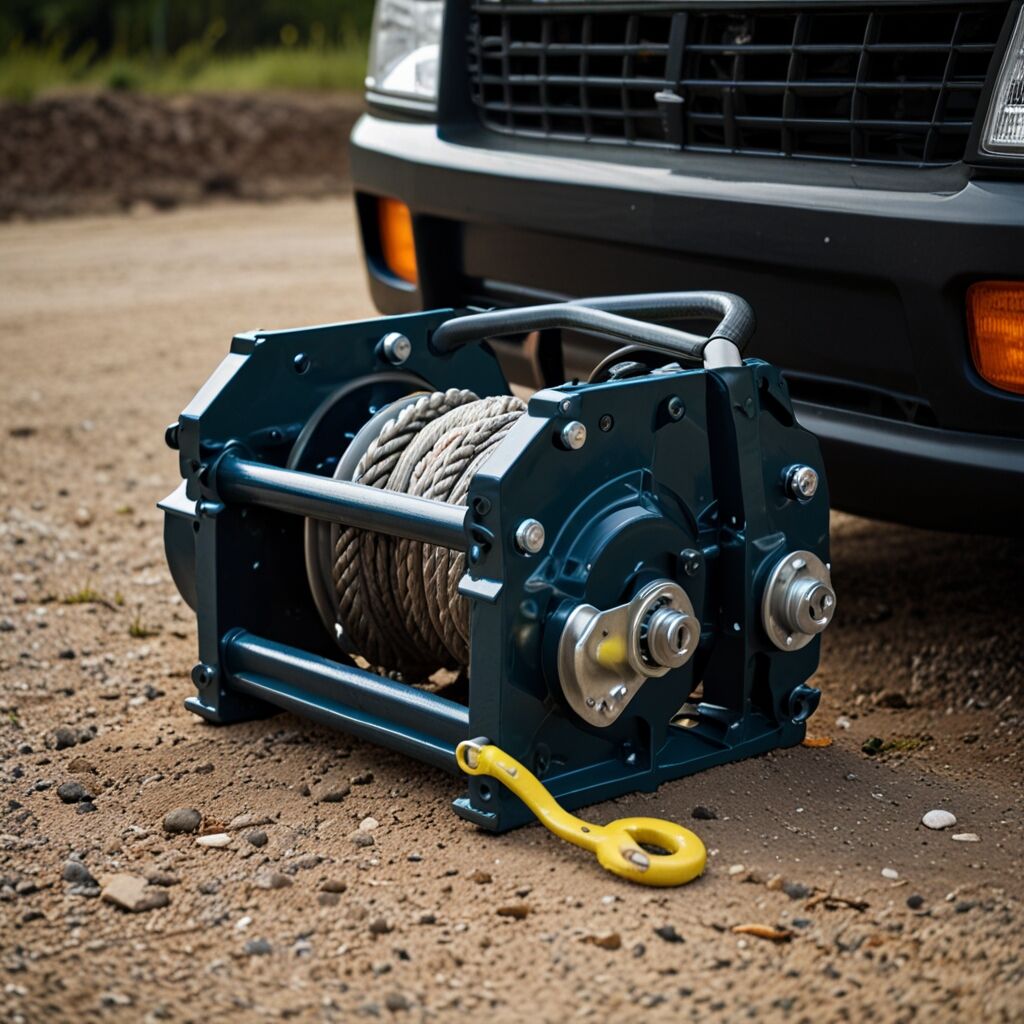
- People use winches to reduce physical effort.
- Workers operate “hand winches” for better control.
- Individuals carry winches easily as they are portable.
- Operators find the “gear system” efficient.
- Users appreciate the winches for their durability.
- Explorers utilize winches in remote locations.
- Customers choose manual winches for cost-effectiveness.

Comparative Analysis of Hand Powered Winch Components and Functions
| Component | Material | Function | Max Load (lbs) | Avg Weight (lbs) | Crank Length (in) |
|---|---|---|---|---|---|
| Drum | Steel | Stores Rope | 1500 | 5 | N/A |
| Gear | Cast Iron | Transmits Force | N/A | 4 | N/A |
| Brake | Aluminum | Controls Load | 2000 | 3 | N/A |
| Rope | Nylon | Transfers Load | 1000 | 2 | N/A |
| Handle | Wood | Crank Power | N/A | 1 | 10 |
| Frame | Steel | Structural Body | N/A | 7 | N/A |
The Science of Load Ratings for Manual Lifting Devices
Manual winches offer distinct efficiency advantages through simplicity and reliability compared to electric models, which demand power and more maintenance. Winch load capacities are crucial as they typically range from 100 to 5,000 pounds, while load rating determination is essential for matching winch types to task requirements. A hand crank winch stands out with its versatility for light to medium loads, whereas a ratchet winch includes high load safety features such as a safety clutch mechanism to prevent slippage. Choose a hand crank winch for scenarios involving manual lifting with precision, like theatrical rigging or smaller tree falling tasks, particularly if job sites lack power access. Load limits and lifting gear compliance become more complex with size variation, with larger winches often incorporating strain gauge sensors for optimal safety in their operation. The reliable performance of hand-operated winches often recommends brands like Reese Towpower and WARN for diverse field applications.
Determine Load Ratings Using Safety Standards and Techniques
Hand-powered winches meet stringent standards by offering features like rust-resistant materials, making them ideal for marine environments. Safe load calculation methods are vital since mountainous terrain presents typical weight capacities that range differently than those on flat lands, accounting for gravity’s impact. Off-road applications benefit from manual winches, given the overload prevention mechanisms in place and the ease of setup in remote locations. Industries such as construction, forestry, and rescue operations frequently use hand crank winches as per the current safety standards. Hillsboro, Oregon-based Dutton-Lainson Company offers winches with certified load assessors and critical point analysis for assured durability and performance.
Ferrofluid Lubricants Enhance Winch Performance Features
Ferrofluid lubricants provide significant maintenance benefits by ensuring smooth operation of winch components and reducing noise. Improved lubrication directly prolongs longevity and increases reliability while enabling manual winch recommendations to withstand regular use. High-performance lubricants are recommended such as those offering anti-corrosion protection that can be critical in extending the lifespan of mechanical parts. The consistency of lubricants, influenced by magnetic suspension technology, impacts performance by allowing better distribution of it around moving parts. Leading lubricants include products from WD-40 and Chevron, which enhance winch functionality.
How do you Select the Best Lubricants for Winches?
Evaluate winch lubricants by considering factors like thermal stability rating and user need-specific lubricant formulation details. Ensure lubricant application frequency guidelines recommend reapplication every three months or after significant weather changes for sustained performance. Quality lubricants enhance durability by 40% or more, which can be confirmed through ASTM testing compliance. Top brands such as Mobil and Lucas Oil offer environmentally safe lubricants designed for manual winches. Winch-specific brands also provide tailored solutions that ensure functionality is maintained over time.

- A handle typically measures about 10 inches long.
- “Ratchet systems” engage with ease under 15 lbs. of force.
- Winches frequently hold up to 1,000 lbs of weight.
- “Rope length” reaches up to 20 feet in many brands.
- Operators crank the winch around 3 times per foot raised.
- Most manual winches weigh under 15 lbs.
- Winch efficiency rates soar above 80% for users.
- Are Hand Powered Winches Safer Than Modern Electric Options
- Understanding Gear Ratios in Hand Powered Winches for Beginners
- Hand Powered Winches vs Electric Winches Which Is Right for You
- Case Study Hand Powered Winches Used in Rescue Operations
- Seachoice Hand Powered Winches vs Fulton Winches for Sailboats

What are the Cost Factors and Budget Options for Hand Winches?
From my experience, several factors significantly influence the cost of a manual winch, including material quality, brand reputation, and added features. Budget-performance balance is crucial because focusing solely on low-cost options may sacrifice necessary functionalities for heavy-duty tasks. Synthetic cables often cost more than steel cables, with price differences reaching up to 30% due to their ease of handling and durability. Brand reputation impacts pricing, as esteemed brands like Warn and Superwinch tend to cost more but offer better reliability, so evaluating brand reputation can assist in making a cost-effectiveness analysis. Opting for affordable winch options from lesser-known companies might save money initially, but a premium winch selection often demonstrates enhanced longevity and performance.
What is the Best Way to Budget for a High-Quality Winch?
The best way to budget for a high-quality winch is to allocate a portion specifically for maintenance, which should be around 10% of the winch’s purchase price annually. High-quality manual winches typically range from $200 to $800, with top-tier models like those from Smittybilt and Ramsey often priced above $500. Long-term ownership expenses, including replacement parts and service visits, contribute to overall budgeting and can increase costs by an estimated 20% over the winch lifetime. Unexpected ownership costs, such as shipping for repairs or aftermarket accessory pricing, may arise, so planning for these can prevent resale value depreciation and unforeseen repair cost estimates.