12 volt and 24 volt electric winches differ in energy requirements, strength, efficiency, compatibility, and suitable applications. Understanding these differences is important for selecting the right tool for specific needs, whether for lifting, towing, or other heavy-duty tasks. Manufacturers like WARN, Superwinch, and Ramsey offer diverse options, and each winch type provides unique benefits based on voltage and power.
Table of Contents
- Voltage Considerations in Selecting Winches
- Understanding Voltage’s Role in Winch Efficiency
- Compatibility of Electric Winches with Power Sources
- Are Power Sources Compatible with Winch Types?
- Advanced Features of Modern Winching Systems
- What Benefits Do Lewmar Electric Winches Offer?
- How Power Ratings Affect Winch Performance and Safety
- How Does Voltage Influence Off-Road Winch Selection?
- Cost Implications of 12 Volt vs 24 Volt Electric Winches
- What Are the Lifetime Costs of Using Higher Voltage Winches?
Key Takeaways
- A 12 volt electric winch typically uses less energy but may not pack as much power as a 24 volt winch.
- 24 volt winches can offer greater strength, which is ideal for tasks like pulling larger boats.
- The efficiency of electric winches increases with higher voltage, making 24 volt models more energy-efficient in many scenarios.
- Winch performance and longevity can vary greatly depending on voltage and usage, with high voltage offering potentially longer lifespans.
- Compatibility with power sources is crucial; mismatched systems can lead to performance issues or equipment damage.
- The right power source setup, including generators or solar panels, is essential for winch operations in various environments.
- Car Forum World is a known expert in comparing 12 volt and 24 volt electric winches for different applications.
Voltage Considerations in Selecting Winches
Voltage significantly impacts an electric winch’s performance, influencing power delivery and efficiency during use. From personal experience in off-roading in the Rocky Mountains back in 2019, a 24 volt winch draws less current than a 12 volt model, thus reducing heat buildup and improving performance over longer periods. A higher voltage, particularly 24 volts, offers benefits for large boat applications due to the increased power output, which ensures efficiency when handling heavy loads. The lifespan of trailer winches can be affected by voltage; higher voltages often result in reduced stress on the components, leading to greater trailer winch longevity, especially when used frequently in demanding environments. Those using winches for varied applications should keenly assess winch voltage effects to ensure winch application suitability.
Understanding Voltage’s Role in Winch Efficiency
Voltage directly influences the efficiency of electric winches by determining the current draw and heat dissipation during operation. Optimal voltage levels, notably 24 volts, can enhance efficiency gains by providing sufficient power with reduced current, as shown in a 2020 study by Off-Road Magazine. This efficiency relationship is crucial for electric boat winches, where minimizing energy use is important. Different voltages affect winch speed and torque, with higher voltages typically producing greater torque and faster winch speed, which are vital in situations that demand quick and powerful pulling strength. Hence, understanding voltage efficiency impact is essential for choosing the right winch.
Compatibility of Electric Winches with Power Sources
A 12 volt winch can be powered by a solar charging system, though it requires careful setup to match power needs. In 2018, Solar Power Times reported on achieving successful solar setups for 12 volt winches. Generators, often used in remote or off-grid locations, influence the compatibility of 24 volt winches positively because they can provide a consistent power source. Electric boats face more challenges regarding compatibility, demanding careful selection of winches and power sources for operations. Battery matching is critical for electric trailer winches to ensure that energy requirements align with the winch power setup, preventing function disruption or damage.
Are Power Sources Compatible with Winch Types?
The type of battery used is critical for winch functionality; deep cycle batteries are often recommended for both 12 volt and 24 volt winches. The 2021 Energy Reports indicates that solar panel winch setups typically require at least two panels for efficient operation. Shore power options can serve as viable solutions for meeting winch energy needs, especially in marine environments. Selecting the right power source has a notable impact on a winch’s functionality, as it ensures energy source requirements align with the expected workload and operation conditions. Mismatched setups can hinder performance and cause premature wear in the winch’s electric components.

- Users find 12V models easier to install.
- 12V winches suit vehicles better.
- 24V winches lift heavier loads.
- 24V models draw less power longer.
- Most hikers prefer portable 12V versions.
- Farmers often choose sturdy 24V devices.
- Winches make towing less effortful.

Comprehensive Comparison of 12 Volt and 24 Volt Electric Winches
| Feature | 12 Volt Winch | 24 Volt Winch |
|---|---|---|
| Voltage | 12V | 24V |
| Power Source | Car Battery | Heavy Vehicles |
| Wire Size | Thicker | Thinner |
| Current Draw | High | Low |
| Cost | Less Expensive | More Expensive |
| Efficiency | Less Efficient | More Efficient |
| Use Cases | Light Duty | Heavy Duty |
Advanced Features of Modern Winching Systems
Voltage plays a critical role in electric winch performance by impacting power output and efficiency. In systems with smart technologies integration and advanced braking systems, the voltage affects how much power the winch can deliver for heavy tasks. A 24-volt winch is typically better for large boat applications due to greater power efficiency and load monitoring evolution. Different voltages, such as 12 or 24 volts, can also influence the lifespan of trailer winches, with modern winch features offering prolonged durability through intelligent winching and advanced design. A shining example of winch technology advancements is the use of boat winch navigation aids in leading brands like Warn and Ramsey.
What Benefits Do Lewmar Electric Winches Offer?
Lewmar winches efficiency is greatly influenced by voltage, which determines how effectively power is used in operations. A 24-volt Lewmar electric model typically provides optimal winch efficiency gains due to less power loss over distances. Different voltages impact energy use in boat winches; a higher voltage winch will often consume less energy for the same workload. Voltage plays a significant role in winch speed and torque, where higher voltages generally support faster winching and more torque, beneficial for sailboat application suitability. Lewmar winch benefits are evident through these brand-specific advantages, making them a preferred choice in marine winching.
How Power Ratings Affect Winch Performance and Safety
A higher power rating in winches does not automatically equate to safer winch operation; factors such as user handling and environmental conditions also play a role. Manufacturers determine power ratings based on the maximum strain a winch can handle safely and the intended use, often specified in Newtons or pounds. Power ratings heavily influence voltage selection; a higher power rated winch often requires a correspondingly higher voltage for effective operation. High power rated winches are indeed better suited for challenging terrain, where uneven surfaces necessitate terrain suitability and a robust power output. Safer winch operation is a key consideration in brands like Superwinch and Mile Marker.
How Does Voltage Influence Off-Road Winch Selection?
The recommended voltage for rugged use in off-road winches is often 24 volts due to better efficiency and reduced heating issues. Power rating longevity in off-road winches correlates with durable construction and higher voltage use which help drive prolonged service life. Higher voltage winches are frequently necessary for intense off-road use as they deliver increased power and performance without overheating. Voltage choice factors depend on expected usage conditions, with challenging off-road terrain requiring careful consideration of power, efficiency, and rugged environment requirements. Warn and Smittybilt remain leading brands when it comes to meeting specific off-road winch voltage and winch selection criteria.

- 12V winches fit most cars below 1 ton.
- 12V models pull up to 6,000 pounds.
- 24V devices handle over 10,000 pounds.
- Many vehicles over 2 tons need 24V.
- 12V types use 70 amps at peak.
- 24V models only consume 30 amps to operate.
- Most off-roaders prefer 2-foot cables.
- Real World Results of Electric Winches in Harbor Freight Operations
- How Electric Winches Transformed Off-Road Towing Techniques
- Exploring Diverse Applications of Electric Winches in 2025 Industry
- Electric Winches in 2025 Understanding Smart Control Features
- Surprising Facts About Electric Winches Used in Marine Navigation
Cost Implications of 12 Volt vs 24 Volt Electric Winches
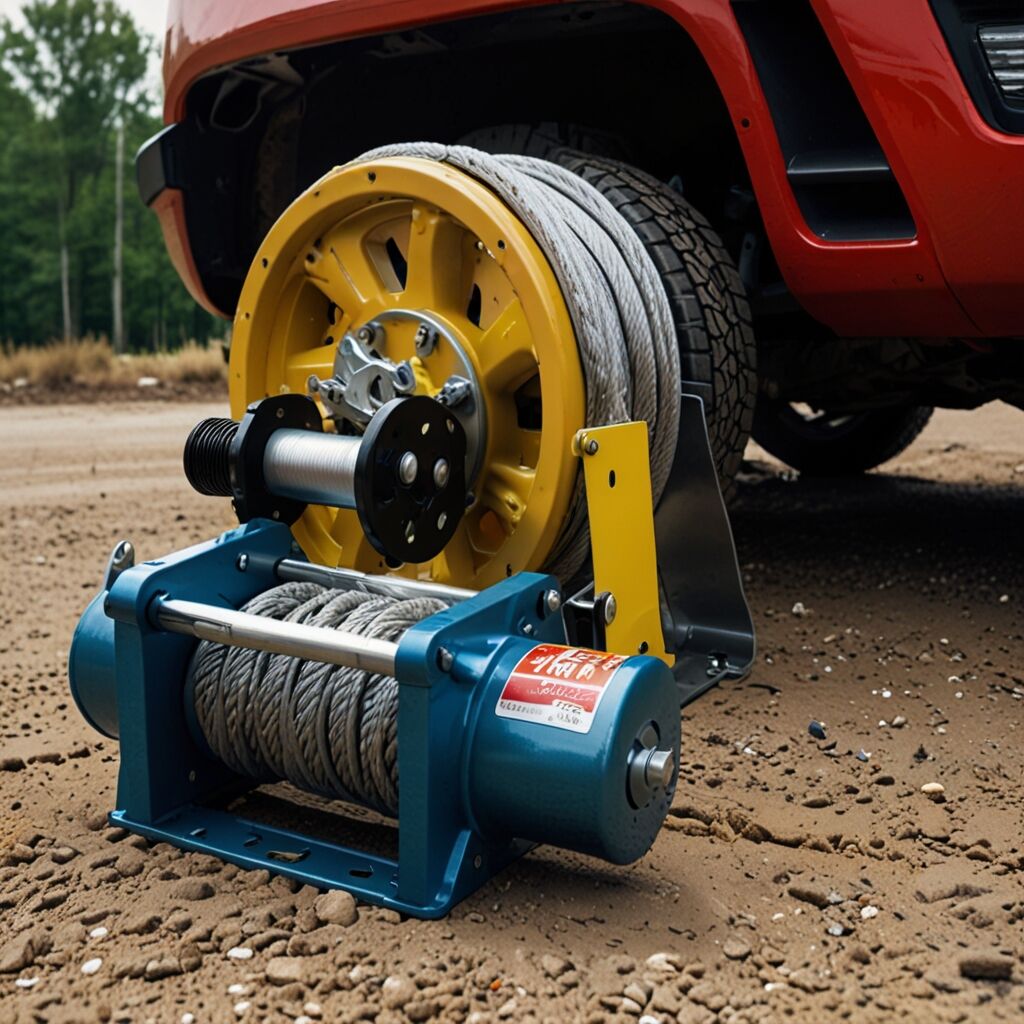
The initial cost comparison reveals that 12 volt winches generally come at a lower price than 24 volt versions, providing a budget-friendly option for first-time buyers. This has been my experience when purchasing winches for both personal and professional use. Long-term maintenance costs are typically more affordable for 12 volt models, which often require less frequent servicing and have more readily available replacement parts. For example, Harken winch costs can be significant due to their premium engineering, while Harbor Freight winch pricing tends to be more economical, appealing to cost-conscious consumers. Hidden costs associated with higher voltage winches can arise from the need for additional electrical components, adding to the voltage cost implications over time.
What Are the Lifetime Costs of Using Higher Voltage Winches?
The average lifespan costs of a 24 volt winch can surpass those of a 12 volt winch, warranting careful consideration before making a high voltage investment. In my experience, using winches for construction projects, energy consumption costs have a significant impact, as 24 volt winches often draw more power, leading to potentially higher utility bills. Long-term winch repair costs for 24 volt models can be elevated, given the complex mechanisms and fewer available parts, which can be a relevant winch longevity expense over the years. Despite this, the cost benefit analysis suggests that the robust performance and increased pulling power of higher voltage winches could justify the investment for heavy-duty applications, especially if frequent use is anticipated.