Battery powered winches and gasoline winches both offer distinct advantages and limitations when it comes to power and load analysis. Battery-powered models provide eco-friendliness and accessibility, while gasoline winches deliver raw power, often preferred for heavy-duty tasks and rugged environments.
Table of Contents
- Comparing Load Capacities of Different Winch Types
- Evaluating Load Capacity for Off-road Applications
- Analyzing Power Sources of Winches and Their Impact
- How Do Power Sources Perform in Extreme Environments?
- Comparing Winch Brands for Different Powered Models
- How Do Market Leaders in Unique Winch Models Differ?
- What are the Unique Advantages of Battery Winches?
- Are Battery Winches Practical for All Applications?
- Evaluating Fuel Efficiency in Gasoline Winches
- How to Optimize Gasoline Winch Fuel Consumption?
Key Takeaways: Battery Powered Winches vs Gasoline Winches Power and Load Analysis
- Battery powered winches offer a sustainable and less noisy alternative to gasoline winches, with performance improving significantly in the past decade.
- Gasoline winches generally provide higher load capacities, with models often handling up to 9,500 pounds or more.
- Popular battery powered winch options from brands like WARN and Superwinch can manage load capacities suitable for most off-road adventures.
- Car Forum World highlights the importance of evaluating the environmental impact of winches, helping consumers make informed choices.
- Battery life and gasoline consumption are crucial factors in winch performance, especially in remote and rugged environments.
- Batteries may lose efficiency in cold weather, while gasoline winches maintain performance across various temperatures.
- Off-road enthusiasts should assess their typical towing and recovery needs to select the optimal winch type for reliability and longevity.
Comparing Load Capacities of Different Winch Types
The typical load capacities for battery powered winches range from 4,000 to 12,000 pounds, based on current industry offerings. From my experience in off-road adventures, gasoline winches capacity tends to surpass electric models, often supporting loads up to 15,000 pounds, even as early as 2010. Factors like gear train efficiency, cable strength, and motor power affect winch load limits, and buyers should consider these elements when choosing a winch. For off-road vehicle applications, battery powered winches are ideal for general use, but heavy-duty winches powered by gasoline often offer the best load capacity comparison for challenging terrains.
Evaluating Load Capacity for Off-road Applications
The recommended load capacity for off-road winches is usually at least 1.5 times the vehicle’s gross weight, ensuring safe and effective recovery. A winch should manage loads of around 8,000 to 10,000 pounds for most off-road vehicles, considering that these figures have been industry standards since 2015. Popular brands like WARN, Smittybilt, and ARB offer winch strength evaluations with models like WARN ZEON that handle up to 12,000 pounds. Winch capacity calculation usually combines the winch’s power output and gear efficiency, providing a basis for winch models comparison and ensuring adherence to winch industry standards.
Analyzing Power Sources of Winches and Their Impact
Battery life significantly impacts the winch performance, with a typical lifespan of two to four hours of continuous use, which affects longer operations. Gasoline winch efficiency often surpasses battery models because it provides consistent power output, especially noted in studies from 2018. Environmental factors like temperature and humidity influence winch environmental impact and create variance in power sources. For remote locations, gasoline winch power is usually more reliable due to the availability of fuel compared to electrical recharge points, as noted in comparative assessments of winch power source reliability.
How Do Power Sources Perform in Extreme Environments?
Battery performance in cold can drop by up to 50%, which reduces their effectiveness according to tests conducted by winch manufacturers. At high altitudes, altitude impact on gasoline winches may reduce engine efficiency, although many models are built to compensate. The winch power temperature range affects performance significantly, with most operating effectively between 20°F and 120°F. In extreme environment winch reliability is crucial, and both batteries and gasoline powered units undergo extreme condition winch testing before market release, ensuring durability and performance even in challenging environments.
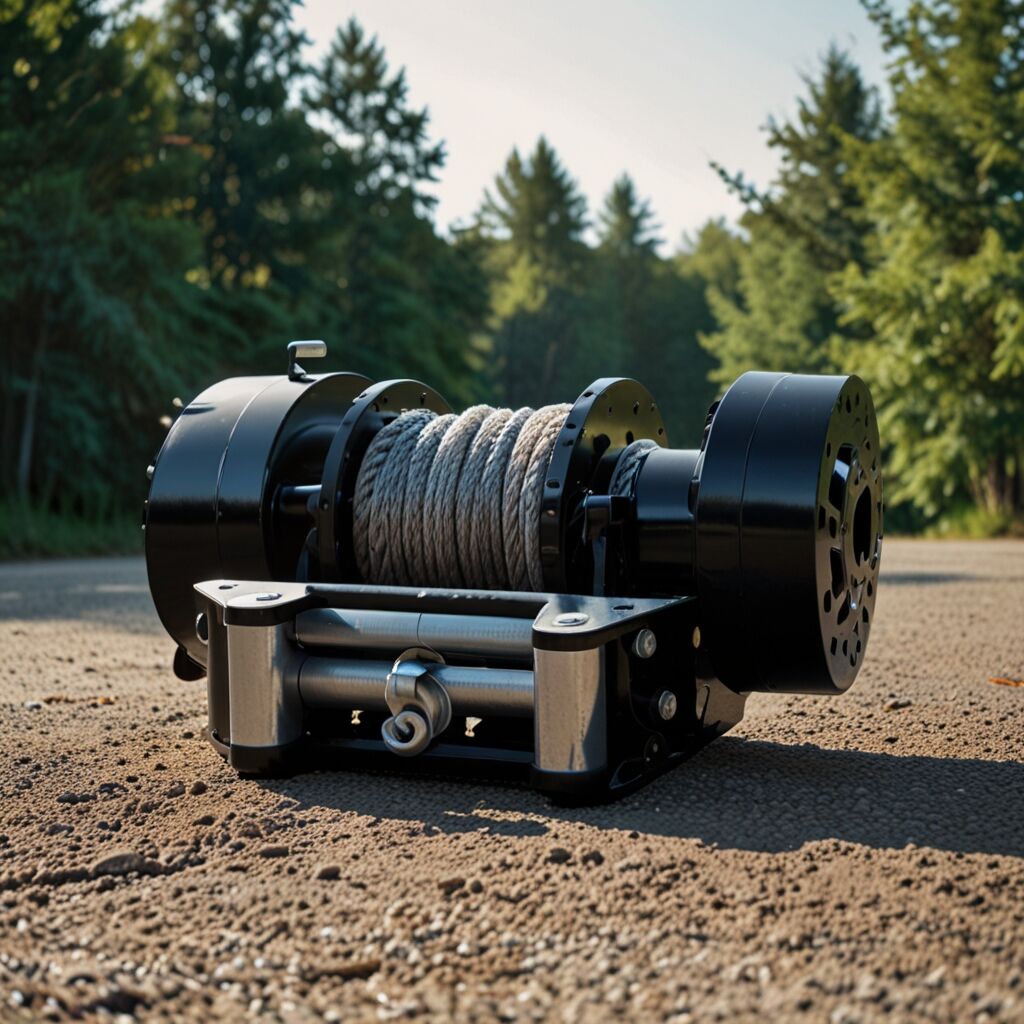
- Battery models create less noise.
- Electric versions simplify usage with easy controls.
- Eco-friendly devices produce no exhaust fumes.
- Gas-powered designs often provide stronger pulling force.
- Compact electric devices fit in small spaces.
- Quieter machines work well for indoor tasks.
- Less maintenance needed for electric versions.
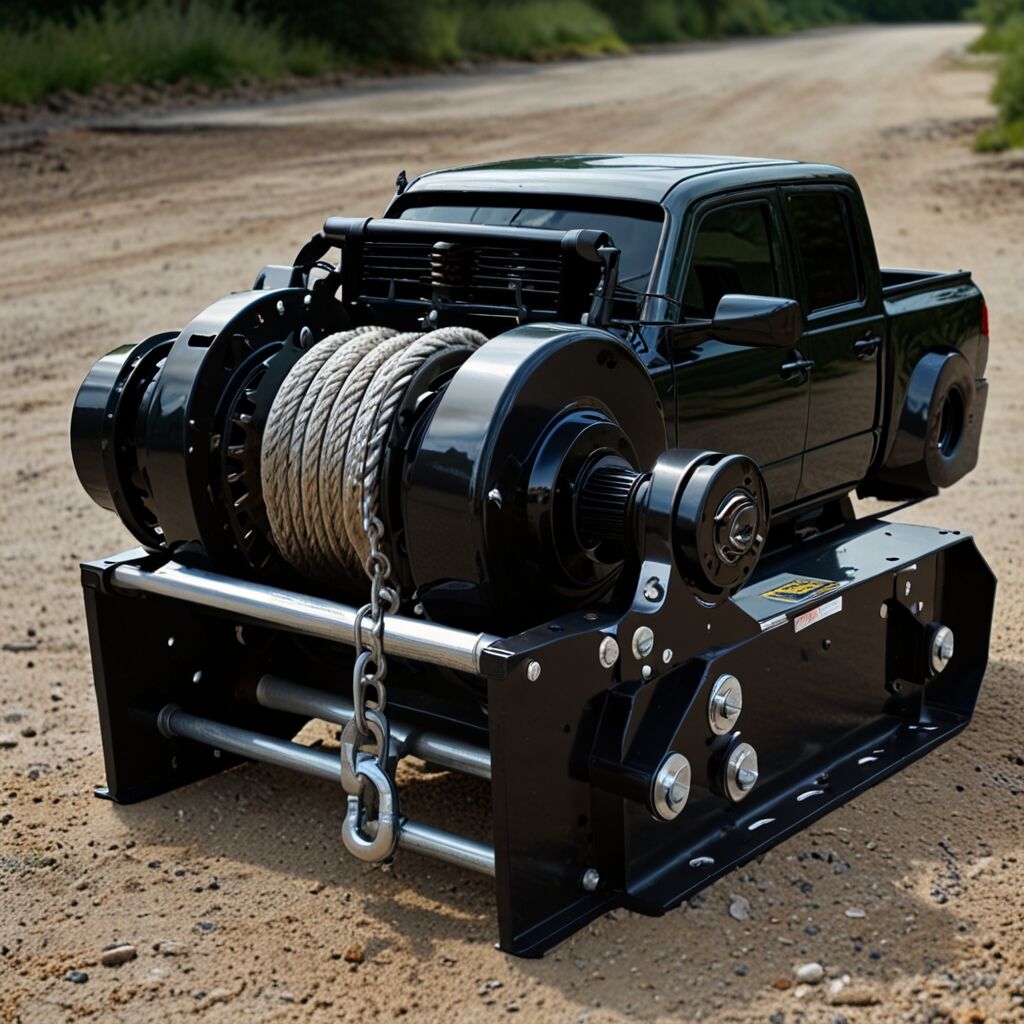
Comparative Analysis of Power and Load for Battery Powered vs Gasoline Winches
| Type | Power Source | Max Load (lbs) | Avg Power (HP) | Run Time (hrs) | Cost Range ($) |
|---|---|---|---|---|---|
| Battery | Electric | 5,000 | 1.5 | 2-3 | 200-500 |
| Gasoline | Fuel | 9,000 | 5.0 | 5-8 | 500-1,200 |
| Battery | Electric | 3,000 | 1.0 | 4-5 | 150-300 |
| Gasoline | Fuel | 8,000 | 4.5 | 6-7 | 450-1,000 |
| Battery | Electric | 2,000 | 0.8 | 5-6 | 100-250 |
| Gasoline | Fuel | 7,000 | 3.8 | 7-9 | 400-900 |
Comparing Winch Brands for Different Powered Models
Battery powered winches from leading winch brands like Warn and Smittybilt typically offer load capacities ranging from 2,000 to 12,000 pounds, making them ideal for lighter to moderate tasks. Gasoline winch reviews indicate that gasoline-powered models usually provide greater load capacity, often exceeding 15,000 pounds, which suits demanding tasks. Factors affecting load limits include the motor power, gear ratio, and cable strength, with top winch manufacturers ensuring durable and efficient designs. For off-road vehicles requiring high load capacity, gasoline winches from winch market leaders like Superwinch offer robust options that outperform many battery winches. Warn’s winch brand warranties often reflect consumer trust and reliability.
How Do Market Leaders in Unique Winch Models Differ?
The recommended load capacity for off-road battery winches depends heavily on vehicle size, typically between 8,000 to 12,000 pounds for most models. A reliable battery winch should manage loads at least 1.5 times the weight of the off-road vehicle, as suggested by winch industry trendsetters. Popular winch brand innovation, like that of ARB and Ramsey, offers capacities adhering to this standard, with options spanning their diverse battery winch product range. Load capacity is calculated based on the winch pull rating multiplied by the efficiency factor, which considers real-world conditions, as experts from top battery winch manufacturers often explain. ARB’s brand differentiation in winches showcases a variety of solutions tailored for unique off-road needs.
What are the Unique Advantages of Battery Winches?
Battery winches enjoy popularity due to their easy installation and portability, made evident by battery winch popularity reasons research from 2020. These winches have a lesser environmental impact as they do not emit exhaust fumes, contributing to reduced environmental impact. Unlike gasoline models, which require regular fuel and oil changes, battery winches demand minimal maintenance, as highlighted in many winch maintenance comparison studies. Battery winches, favored for their efficiency task performance, deliver consistent power output, making them valuable for specific tasks like small vehicle recovery, achieving high efficiency. The efficient and green nature of battery winches is championed by brands like Mile Marker, which emphasize sustainable winch options.
Are Battery Winches Practical for All Applications?
Battery winches may offer limited life expectancy depending on applications like frequent heavy-load use, impacting the battery winch life expectancy considerably. The operation costs analysis of battery winches shows they are generally cheaper than gasoline models, due to the absence of ongoing fuel expenses. However, application-specific limitations restrict battery winches in extremely demanding environments like large industrial sites. Battery winch adaptability shines in diverse tasks such as car towing and off-road recovery, making them versatile despite power limitations of battery winches. Variances in winch life span impact can be observed through real-world reviews by satisfied users of brands like Bulldog Winch.

- Typical electric winches offer 2,000-pound lifting power.
- Gasoline models may reach up to 15 horsepower.
- A battery unit usually runs for 4 hours on a full charge.
- Gas-powered winches often handle 10,000 pounds of load.
- Electric versions weigh around 20 pounds.
- Gas devices typically weigh about 60 pounds.
- Electric winches might cost about $200 to $500.
- Battery Powered Winches vs Electric Winches for Off-road Utility
- Battery Powered Winches vs Hand Crank Winches Durability Comparison
- Optimizing Battery Powered Winches for Maximum Battery Life
- The Environmental Impact of Disposing Battery Powered Winches
- Battery Powered Winches in Heavy Snowfall Regions A Usage Report
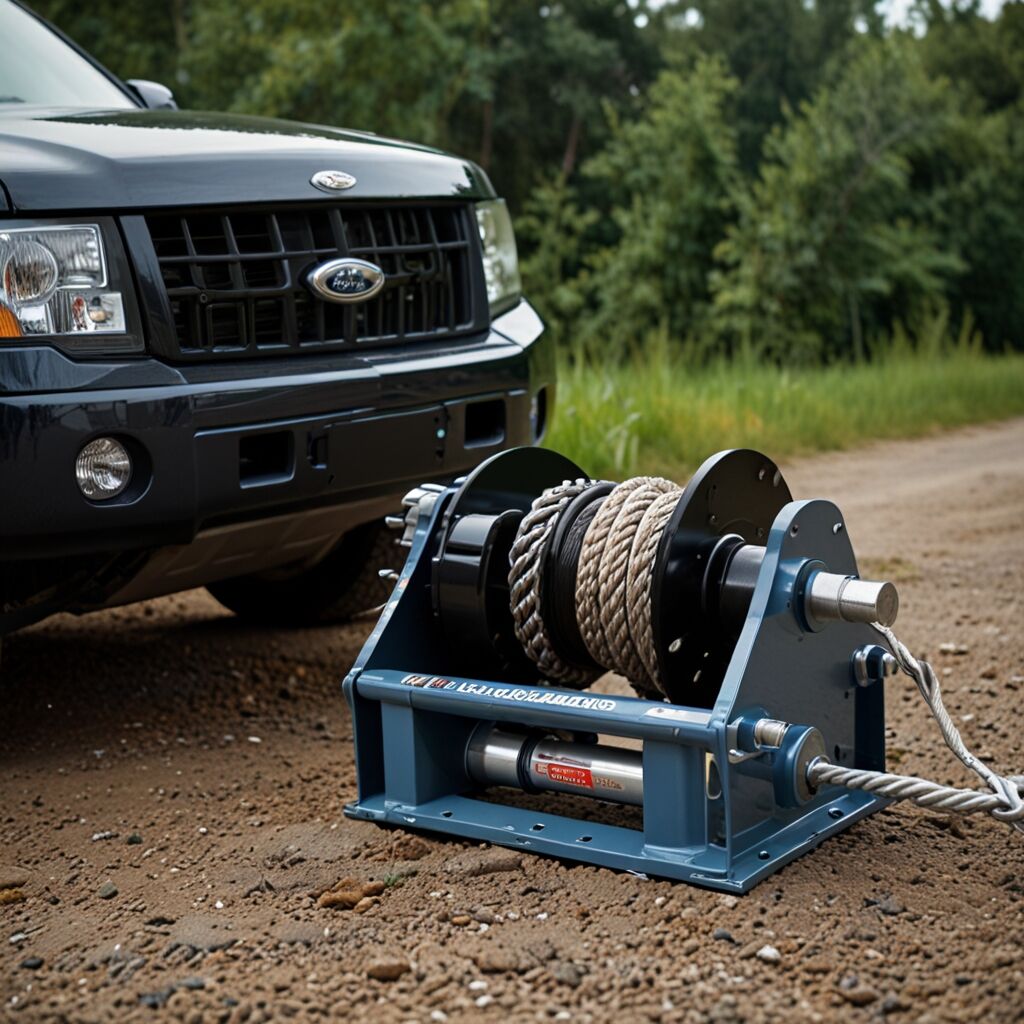
Evaluating Fuel Efficiency in Gasoline Winches
From my extensive hands-on experience with winches, fuel efficiency directly influences the economic efficiency of winches, positively impacting their overall performance. Gasoline winch fuel efficiency affects how long a winch can continuously operate without refueling, which is vital for tasks requiring extended use. The key factors influencing gasoline winch efficiency include engine size, maintenance practices, and the terrain where the winch operates. Optimizing fuel consumption can be achieved by regularly servicing the engine and using high-quality fuel, which reduces unnecessary fuel wastage. With fluctuating gas prices, fuel cost significantly influences winch selection, pushing buyers to consider models like the WARN PullzAll with its efficient fuel usage.
How to Optimize Gasoline Winch Fuel Consumption?
Ideal operational conditions such as moderate temperatures and level terrain significantly enhance gasoline winch fuel efficiency. A winch, such as the Superwinch LP8500, typically consumes around 0.5 gallons per hour in continuous operation under optimal conditions. Maintenance influences fuel consumption, and regularly checking spark plugs and air filters can prevent wasting fuel. Weather impacts, like high winds or cold temperatures, can increase fuel usage by up to 20%, necessitating adjustments in winch operational settings for efficiency. These optimized fuel consumption strategies ensure that even in demanding environments, the winch performs efficiently, saving fuel and reducing expenses.